
Overview
Knee pain caused by severe arthritis, injury, or joint degeneration can significantly impact a person’s mobility and quality of life. When conservative treatments such as physiotherapy, medication, and lifestyle changes fail to provide relief, knee replacement surgery becomes one of the most effective solutions for restoring movement and reducing chronic pain.
However, the success of knee replacement surgery does not depend only on the procedure itself. One of the most important decisions a patient makes is selecting the best knee replacement surgeon in Delhi. The surgeon’s experience, approach to patient care, use of technology, and treatment philosophy play a crucial role in achieving long-term surgical success.
Delhi NCR is home to several orthopaedic specialists, but patients must carefully evaluate certain factors before making a final decision. Understanding these factors ensures safer surgery, better outcomes, and a smoother recovery process.
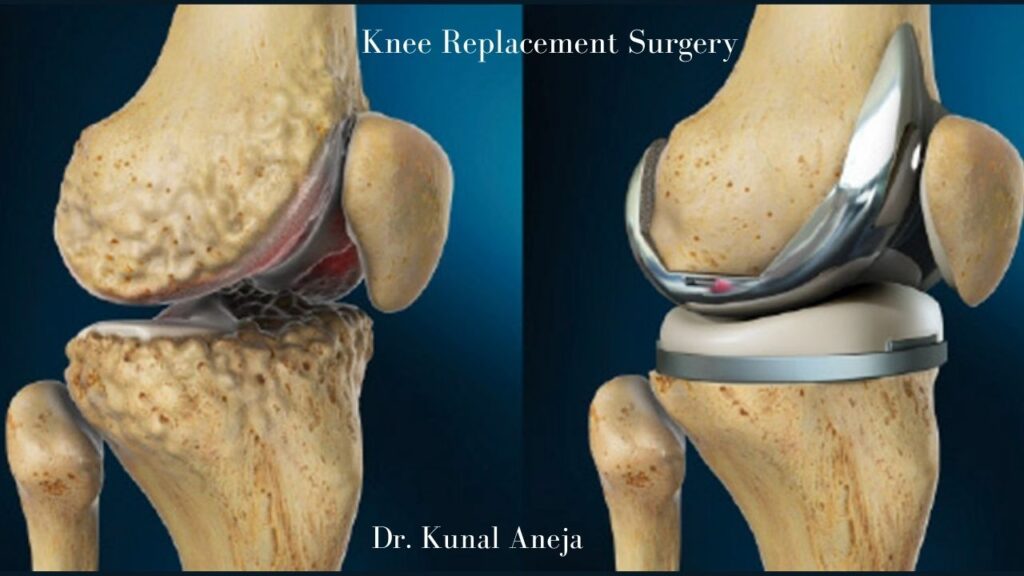
Understanding Knee Replacement Surgery
Knee replacement surgery, also known as total knee arthroplasty, is a procedure in which a damaged knee joint is replaced with an artificial implant designed to replicate natural joint movement.
The procedure is typically recommended for patients experiencing:
- Severe knee arthritis
- Chronic knee pain that limits daily activities
- Joint stiffness and reduced mobility
- Knee deformities
- Failure of non-surgical treatments
Top 5 Things to Know Before Choosing a Knee Replacement Surgeon
Selecting a surgeon for knee replacement requires careful evaluation. Here are the five most important factors patients should consider before making their decision.
1. Experience in Knee Replacement Procedures
The surgeon’s experience is one of the most critical factors influencing surgical success. Knee replacement is a complex procedure that requires precise alignment, proper implant placement, and deep understanding of joint mechanics.
A highly experienced surgeon typically offers:
- Expertise in complex knee conditions
- Higher surgical success rates
- Better implant positioning and longevity
- Reduced risk of complications
2. Use of Advanced Surgical Technology
Orthopaedic surgery has evolved significantly with the introduction of advanced technologies such as robotic-assisted surgery, computer navigation, and minimally invasive techniques.
These technologies improve surgical precision and patient outcomes by providing:
- Accurate implant positioning
- Better joint alignment
- Reduced surgical trauma
- Faster recovery and rehabilitation
A surgeon who incorporates modern technology into treatment plans can provide safer and more predictable results.
3. Comprehensive Patient Evaluation
A responsible orthopaedic specialist does not immediately recommend surgery. Instead, they perform a thorough evaluation to determine whether knee replacement is truly necessary.
A comprehensive evaluation usually includes:
- Detailed medical history
- Physical examination of knee function
- Imaging studies such as X-rays or MRI
- Assessment of lifestyle and activity levels
This personalized approach ensures that surgery is recommended only when conservative treatments are no longer effective.
4. Personalized Treatment and Recovery Plan
Every patient’s knee condition is unique. Therefore, the treatment plan should be tailored to the individual rather than following a standard protocol.
A well-structured treatment strategy includes:
- Pre-surgery preparation
- Personalized surgical planning
- Postoperative rehabilitation programs
- Long-term joint care guidance
Surgeons who focus on personalized treatment plans generally achieve better patient satisfaction and long-term functional outcomes.
5. Strong Focus on Rehabilitation and Recovery
Recovery after knee replacement surgery plays a vital role in achieving optimal mobility and long-term joint performance.
A good surgeon ensures that patients receive:
- Early mobilization after surgery
- Structured physiotherapy programs
- Regular follow-up appointments
- Guidance on lifestyle adjustments
Proper rehabilitation helps patients regain strength, flexibility, and confidence in their new joint.
Why Choose Dr. Kunal Aneja for Knee Replacement in Delhi NCR
When searching for the best knee replacement surgeon in Delhi, patients often look for specialists who combine clinical expertise with advanced treatment approaches and compassionate care.
Dr. Kunal Aneja is widely recognized for providing advanced orthopaedic treatment focused on joint replacement and sports injury management. His approach emphasizes accurate diagnosis, personalized treatment planning, and long-term joint health.
Patients across Delhi NCR choose Dr. Kunal Aneja for knee and hip replacement because of his commitment to delivering safe, effective, and patient-focused care.
Key reasons patients trust Dr. Kunal Aneja include:
Advanced Surgical Techniques
Dr. Aneja uses modern orthopaedic techniques designed to improve surgical accuracy, minimize tissue damage, and accelerate recovery.
Patient-Centered Treatment Approach
Every patient undergoes a detailed evaluation before treatment recommendations are made. This ensures that surgery is advised only when necessary.
Expertise in Joint Replacement
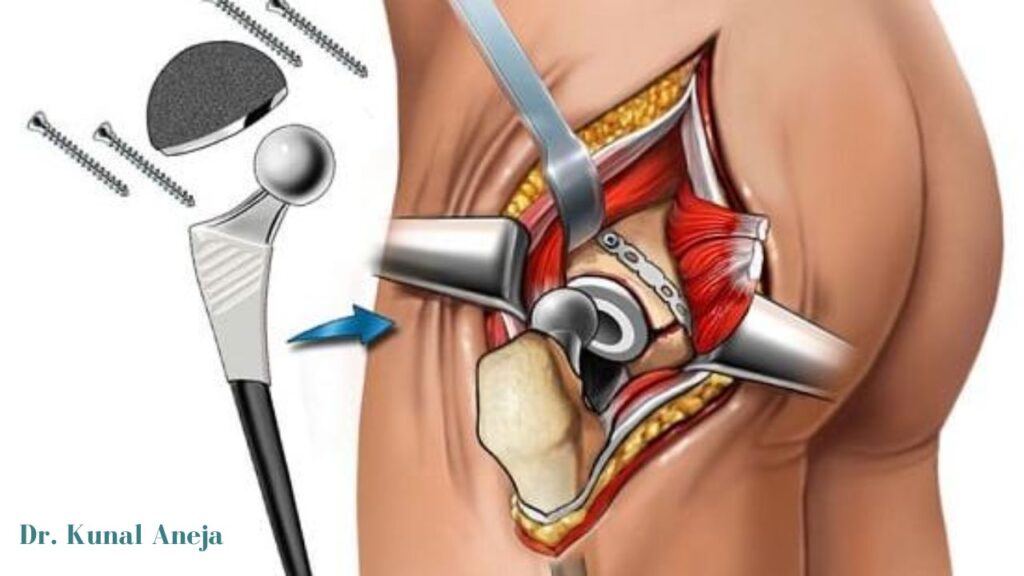
Specializing in knee and hip replacement procedures, Dr. Aneja focuses on restoring natural joint movement and improving patients’ overall quality of life.
Modern Infrastructure and Technology
Access to advanced surgical facilities and technology helps achieve precise implant placement and long-term success.
Comprehensive Recovery Programs
Postoperative care and rehabilitation are carefully structured to help patients regain mobility safely and efficiently.
Through a combination of expertise, advanced techniques, and patient-focused care, Dr. Kunal Aneja has established himself as a trusted orthopaedic specialist for patients seeking knee and hip replacement in Delhi NCR.
Benefits of Choosing the Right Knee Replacement Surgeon
Selecting the best knee replacement surgeon in Delhi provides several advantages, including:
- Higher success rates
- Reduced surgical risks
- Faster recovery
- Improved joint functionality
- Long-term implant durability
Life After Knee Replacement Surgery
Modern knee replacement surgery allows patients to return to many normal activities, including walking, climbing stairs, and participating in low-impact exercise.
Most patients experience:
- Significant pain relief
- Improved joint stability
- Better mobility and flexibility
- Enhanced quality of life
Following the surgeon’s postoperative guidelines and physiotherapy plan is essential for achieving the best results.
Conclusion
Knee replacement surgery can be life-changing for individuals suffering from severe knee pain and mobility limitations. However, achieving the best possible outcome depends greatly on selecting the right surgeon.
Understanding the top factors to consider before choosing a knee replacement surgeon helps patients make informed decisions about their treatment. From surgical expertise and technology to rehabilitation planning, each factor contributes to long-term success.
For patients seeking the best knee replacement surgeon in Delhi, consulting an experienced specialist like Dr. Kunal Aneja ensures access to advanced orthopaedic care, personalized treatment, and comprehensive recovery support. With the right guidance and treatment approach, patients can regain mobility, reduce pain, and return to an active, healthy life.
FAQs
1. How do I choose the best knee replacement surgeon in Delhi?
Ans. Look for experience in joint replacement procedures, advanced surgical technology, patient reviews, and a personalized treatment approach.
2. When is knee replacement surgery recommended?
Ans. Surgery is recommended when severe knee pain, stiffness, and mobility limitations persist despite non-surgical treatments.
3. Is knee replacement surgery safe?
Ans. Yes, modern knee replacement procedures are highly safe when performed by experienced orthopaedic surgeons.
4. How long does recovery take after knee replacement surgery?
Ans. Most patients resume normal daily activities within 6–8 weeks, with continued improvement over several months.
5. Can both knees be replaced at the same time?
Ans. In some cases, bilateral knee replacement may be recommended depending on the patient’s condition and overall health.