
Overview
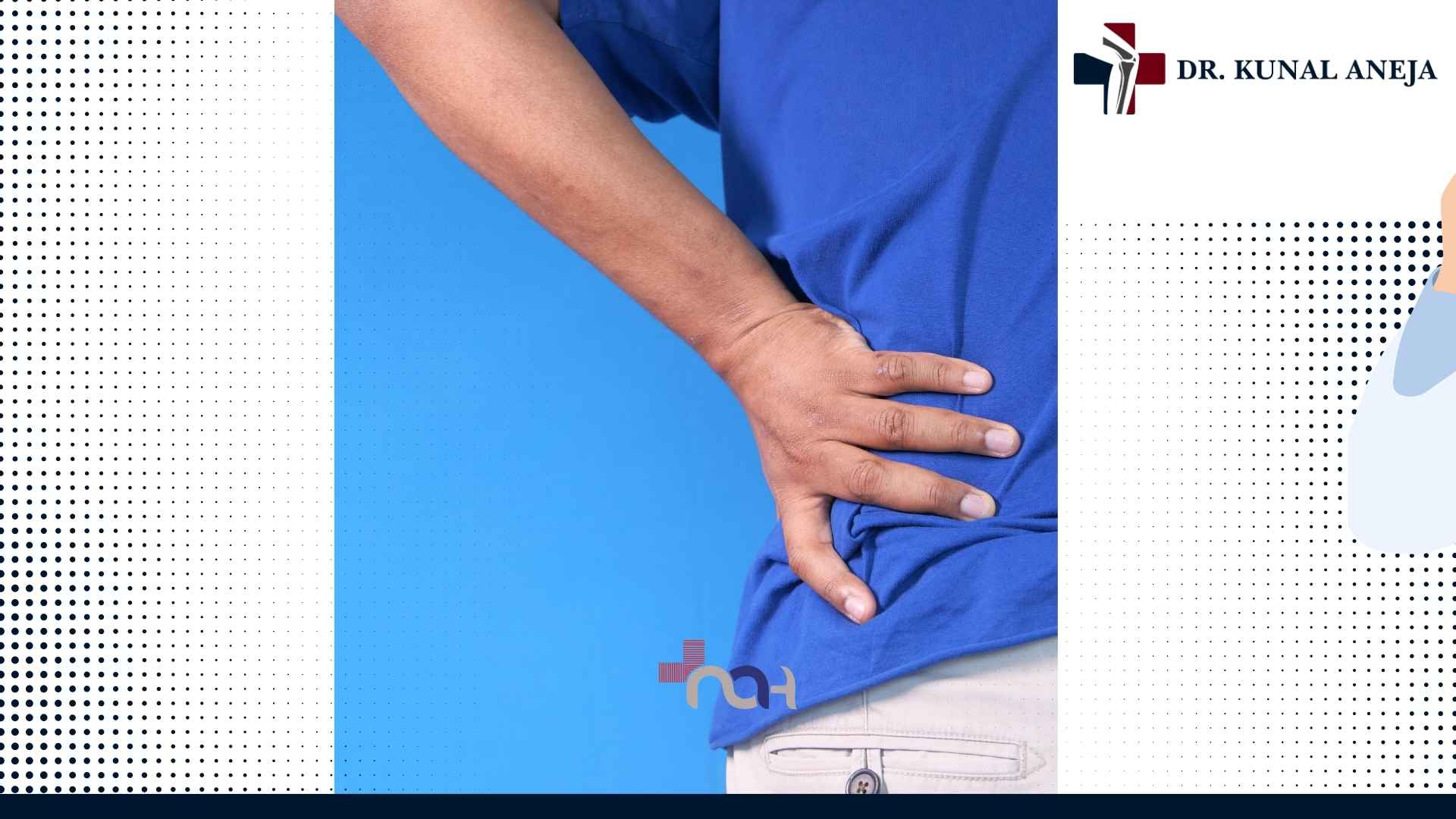
Hip pain that shows up specifically when sitting cross-legged, or during other deep hip flexion positions, is a pattern worth paying attention to rather than dismissing as stiffness. It often points to something happening at the front of the hip joint itself, sometimes involving the labrum or the way the ball and socket meet. The reassuring part is that this kind of pain, caught early, frequently doesn’t mean hip replacement is inevitable. Hip Preservation Surgery in Delhi exists specifically to address these issues while preserving your natural joint.
Dr. Kunal Aneja, practising at Naveda Healthcare Centre and Max Super Specialty Hospital, Shalimar Bagh, evaluates hip pain patterns carefully to determine whether preservation is genuinely possible before considering replacement.
Why Cross-Legged Sitting Specifically Triggers Hip Pain
What’s usually happening:
● Deep hip flexion positions can pinch structures at the front of the joint, a pattern called impingement
● Labral tears, damage to the cartilage rim of the hip socket, often hurt specifically in this position
● Early cartilage wear can also present as discomfort during deep flexion before becoming constant
● This pattern is common in younger, active patients, not just older adults with arthritis
Position-specific hip pain, especially during deep flexion, is often an early sign worth investigating before it progresses into more constant discomfort.
Meet Dr. Kunal Aneja – Hip Preservation Specialist in Delhi
Patients experiencing early hip pain want a surgeon who explores every option to preserve the natural joint, not one defaulting to replacement.
Professional Highlights:
● Specialisation in Robotic Knee & Hip Arthroplasty and joint preservation
● Fellowships from Asia Pacific Arthroplasty Society and ISKSAA Midlands UK (Birmingham NHS)
● Over 12 years of experience across joint preservation and replacement surgery
● Practising at Naveda Healthcare Centre, Rohini, and Max Super Specialty Hospital, Shalimar Bagh
Patients can describe their specific hip symptoms directly via WhatsApp before booking a consultation.
What Hip Preservation Actually Involves
1. Hip Arthroscopy
Minimally invasive treatment for labral tears and impingement, addressing the issue without replacing the joint.
2. Impingement Correction
Reshaping the bone structures causing pinching during movement, restoring pain-free range of motion.
3. Labral Repair
Repairing rather than removing damaged cartilage where possible, preserving joint function.
4. Conservative Management First
Physiotherapy and activity modification tried before surgical intervention when appropriate.
Why Choose Dr. Kunal Aneja for Hip Preservation?
Key advantages:
● Genuine focus on preserving the natural joint before considering replacement
● Fellowship-level training in both preservation and replacement techniques
● Accurate diagnosis distinguishing early impingement from advanced joint damage
● Structured rehabilitation support throughout recovery
A surgeon who genuinely explores preservation first, rather than moving straight to replacement, gives younger and active patients a meaningfully different path forward.
Signs Your Hip Pain Needs Evaluation
Consider a consultation if:
● Pain occurs specifically when sitting cross-legged or in deep hip flexion
● You’ve noticed clicking, catching, or a pinching sensation in the hip
● Pain has persisted for more than a few weeks despite rest
● You’re relatively young or active and want to avoid premature joint replacement
Position-specific hip pain in an otherwise active person is exactly the kind of symptom where early evaluation can mean the difference between preservation and eventual replacement.
Step-by-Step Hip Evaluation and Treatment
1. Initial Consultation
Symptoms, pain pattern, and activity level are assessed in detail.
2. Imaging Review
X-rays or MRI confirm whether impingement, a labral tear, or early cartilage wear is present.
3. Treatment Decision
Preservation options are explored first, with replacement considered only if genuinely necessary.
4. Treatment or Surgery
Arthroscopic or open preservation technique addresses the specific issue found.
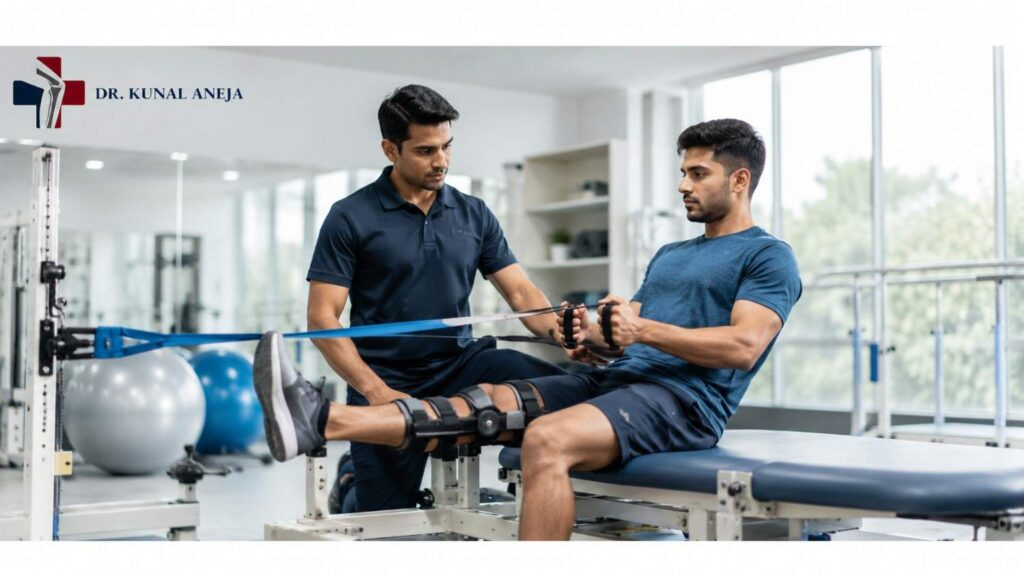
5. Structured Rehabilitation
A recovery plan restores strength and pain-free movement over time.
Benefits of Exploring Hip Preservation First
✔ Preserves your natural hip joint rather than replacing it prematurely
✔ Particularly valuable for younger, active patients
✔ Addresses the underlying cause rather than just managing symptoms
✔ Can delay or entirely avoid the need for future hip replacement
✔ Structured rehabilitation supporting full return to activity
For younger patients especially, preserving the natural hip joint whenever genuinely possible protects long-term mobility and delays more invasive surgery.
Recovery After Hip Preservation Surgery
What recovery typically involves:
● Initial protected weight-bearing in the first few weeks
● Structured physiotherapy to restore range of motion and strength
● Gradual return to normal activity over several weeks to months
● Long-term monitoring to confirm the joint continues functioning well
Recovery from hip preservation procedures is generally shorter and less intensive than recovery from full hip replacement.
Why Delhi Patients Trust Dr. Kunal Aneja for Hip Preservation
● Genuine specialisation in both hip preservation and replacement
● Practice based in both Rohini and Shalimar Bagh for accessibility
● Fellowship-level training from internationally recognised institutions
● Direct WhatsApp access at api.whatsapp.com/send/?phone=919811211503 for questions
● A patient-first approach exploring every option before replacement
Catching hip pain early, before it progresses, is what gives preservation-focused treatment the best chance of genuinely working.
Conclusion
Hip pain that shows up specifically when sitting cross-legged is a real, common pattern, and it doesn’t automatically mean hip replacement is inevitable. Dr. Kunal Aneja evaluates these cases carefully, exploring preservation options first for patients where the natural joint can genuinely be saved.
For questions about your hip pain, email drkunalaneja@gmail.com or call (+91) 98112 11503. Follow patient outcomes on Instagram and YouTube.
Book your hip consultation with Dr. Kunal Aneja here.
FAQs
Why does my hip hurt when I sit cross-legged?
This often points to hip impingement or a labral tear, where structures at the front of the joint get pinched during deep flexion positions like sitting cross-legged.
Does hip pain always mean I need a hip replacement?
No. Many cases, especially in younger patients, can be addressed through hip preservation techniques like arthroscopy or impingement correction rather than replacement.
What is hip preservation surgery?
It refers to procedures like hip arthroscopy and labral repair that treat the underlying issue while preserving your natural hip joint, rather than replacing it.
Who is a good candidate for hip preservation instead of replacement?
Younger, active patients with early-stage impingement or labral tears, rather than advanced joint damage, are generally the best candidates for preservation.
How long does recovery take after hip preservation surgery?
Recovery is generally shorter than full hip replacement, with structured physiotherapy helping most patients return to normal activity within several weeks to a few months.