
Overview
Hip pain can significantly affect a person’s mobility, independence, and overall quality of life. For individuals suffering from severe arthritis, joint degeneration, or hip injuries, hip replacement surgery has become one of the most effective and reliable treatments available in modern orthopaedics. With advancements in surgical techniques and medical technology, patients today can experience faster recovery, improved joint function, and long-lasting pain relief.
For those searching for the Best Hip Replacement Surgeon in Delhi, choosing a specialist with extensive experience, precision-driven techniques, and a patient-focused treatment approach is essential. Orthopaedic experts such as Dr. Kunal Aneja provide comprehensive care using advanced surgical methods designed to restore mobility and improve quality of life.
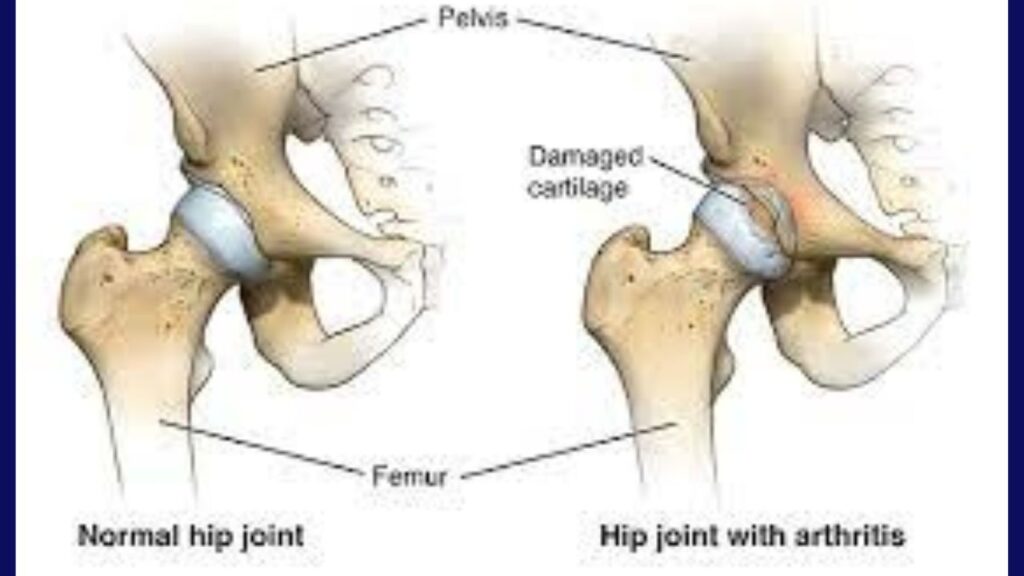
Understanding Hip Replacement Surgery
Hip replacement surgery, medically known as hip arthroplasty, is a procedure in which a damaged hip joint is replaced with an artificial implant. The hip joint is a ball-and-socket structure that allows smooth movement of the leg. Over time, conditions such as arthritis or injury can cause the cartilage within the joint to wear away, leading to pain, stiffness, and reduced movement.
The purpose of hip replacement surgery is to:
- Eliminate chronic hip pain
- Restore normal joint function
- Improve mobility and flexibility
- Enhance overall quality of life
Why Patients Seek the Best Hip Replacement Surgeon in Delhi
Delhi is one of India’s leading destinations for advanced orthopaedic care. Patients from across the country visit the capital to consult specialists who offer world-class surgical expertise and advanced treatment technologies.
When selecting the Best Hip Replacement Surgeon in Delhi, patients often consider several key factors:
- Experience in performing complex joint replacement procedures
- Expertise in minimally invasive and advanced surgical techniques
- Use of modern diagnostic and surgical technology
- Personalized treatment planning
- Comprehensive rehabilitation and follow-up care
These factors play a crucial role in ensuring successful surgical outcomes and faster recovery.
Conditions That May Require Hip Replacement Surgery
Hip replacement surgery is usually recommended when the hip joint is severely damaged and conservative treatments fail to provide relief.
Osteoarthritis
Osteoarthritis is the most common cause of hip joint degeneration. The cartilage cushioning the joint gradually wears away, resulting in pain, stiffness, and restricted movement.
Rheumatoid Arthritis
This autoimmune disorder causes inflammation of the joints, leading to cartilage damage and joint deformity over time.
Avascular Necrosis
Avascular necrosis occurs when the blood supply to the femoral head is disrupted, causing bone tissue to die and the joint to collapse.
Hip Fractures
Severe hip fractures, particularly in older adults, may require hip replacement surgery to restore mobility.
Post-Traumatic Arthritis
Previous injuries or accidents affecting the hip joint can lead to long-term degeneration and chronic pain.
Symptoms That Indicate the Need for Hip Replacement
Patients may need to consult the Best Hip Replacement Surgeon in Delhi if they experience:
- Persistent hip pain that does not improve with medication
- Difficulty walking or standing for long periods
- Pain while resting or sleeping
- Stiffness that limits hip movement
- Reduced ability to perform daily activities
When these symptoms significantly affect quality of life, surgical treatment may be recommended.
Advanced Techniques Used in Hip Replacement Surgery
Orthopaedic surgery has evolved significantly over the past decade. Today, advanced techniques allow surgeons to perform hip replacement procedures with greater accuracy and improved patient outcomes.
Minimally Invasive Hip Replacement
This technique uses smaller incisions and causes less damage to surrounding muscles and tissues. Benefits include:
- Reduced surgical trauma
- Less postoperative pain
- Faster recovery time
- Smaller scars
Robotic-Assisted Hip Replacement
Robotic technology helps surgeons plan and execute the procedure with extreme precision. Advantages include:
- Accurate implant positioning
- Improved joint alignment
- Better long-term implant performance
Muscle-Sparing Surgical Approaches
Modern surgical methods aim to preserve surrounding muscles, which helps patients regain mobility more quickly and reduces rehabilitation time.
Benefits of Choosing an Experienced Hip Replacement Surgeon
Selecting the Best Hip Replacement Surgeon in Delhi ensures that patients receive the highest standard of orthopaedic care. Experienced surgeons combine technical expertise with personalized treatment strategies.
Key benefits include:
- Accurate diagnosis and surgical planning
- Reduced risk of complications
- Improved implant longevity
- Faster postoperative recovery
- Better functional outcomes
The Role of Technology in Modern Hip Replacement Surgery
Advanced orthopaedic centers use modern technology to enhance surgical precision and patient safety.
Preoperative Digital Planning
Detailed imaging techniques allow surgeons to plan the procedure carefully, ensuring the correct implant size and alignment.
Advanced Implant Materials
Modern implants are made from durable materials designed to last for decades while maintaining smooth joint movement.
Enhanced Recovery Protocols
Postoperative care now focuses on early mobilization, which helps patients regain independence faster.
Recovery and Rehabilitation After Hip Replacement
Recovery plays a vital role in the success of hip replacement surgery. After the procedure, patients typically follow a structured rehabilitation program.
Key elements of recovery include:
- Early walking with support
- Physiotherapy exercises to strengthen muscles
- Gradual return to daily activities
- Lifestyle guidance to protect the new joint
Most patients experience significant improvement in mobility and pain relief within a few weeks after surgery.
Why Dr. Kunal Aneja is Considered Among the Best Hip Replacement Surgeons in Delhi
Patients looking for the Best Hip Replacement Surgeon in Delhi often choose specialists who combine advanced surgical expertise with a patient-focused treatment philosophy.
Dr. Kunal Aneja is known for providing comprehensive orthopaedic care with a strong emphasis on precision, safety, and long-term joint health. His treatment approach focuses on:
- Accurate diagnosis and patient evaluation
- Evidence-based surgical techniques
- Use of advanced orthopaedic technology
- Personalized recovery and rehabilitation programs
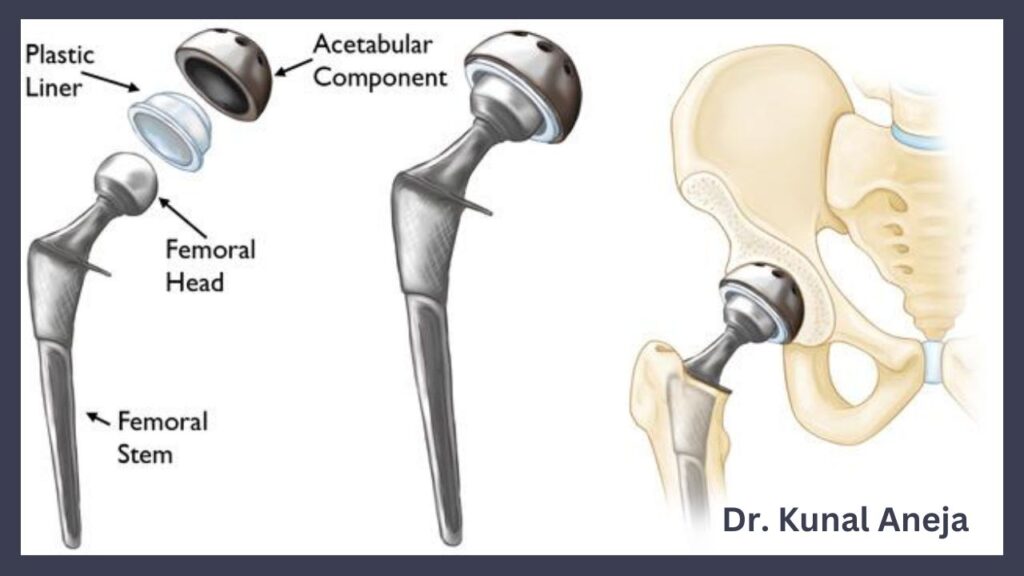
Conclusion
Hip replacement surgery has transformed the lives of millions of patients suffering from chronic hip pain and mobility limitations. With advancements in orthopaedic technology and surgical techniques, the procedure now offers highly predictable outcomes, faster recovery, and long-term relief.
Choosing the Best Hip Replacement Surgeon in Delhi is a critical step in ensuring successful treatment and long-lasting results. Experienced specialists such as Dr. Kunal Aneja combine advanced surgical techniques with personalized patient care, helping individuals regain mobility, independence, and a better quality of life.
FAQs
1. Who is the best candidate for hip replacement surgery?
Ans. Patients with severe hip arthritis, joint damage, or chronic hip pain that does not improve with conservative treatments are usually suitable candidates.
2. How long does hip replacement surgery take?
Ans. Most hip replacement procedures take approximately one to two hours, depending on the complexity of the case.
3. How long does recovery take after hip replacement?
Ans. Many patients begin walking within a day or two after surgery, while complete recovery may take several weeks to a few months.
4. How long do hip implants last?
Ans. Modern hip implants can last 15–25 years or longer with proper care and lifestyle management.
5. Is hip replacement surgery safe?
Ans. Yes. When performed by an experienced orthopaedic surgeon using modern techniques, hip replacement surgery is considered a safe and highly effective procedure.