
Overview
Hip joint problems can severely impact mobility, independence, and overall quality of life. Conditions such as osteoarthritis, avascular necrosis, hip fractures, and degenerative joint disease often lead to chronic pain and functional limitations that affect even simple daily activities. When conservative treatments such as medication, physiotherapy, and lifestyle modifications fail to provide adequate relief, hip replacement surgery becomes one of the most effective solutions.
However, the success of this procedure depends greatly on the expertise of the surgeon performing it. Choosing the Best Hip Replacement Surgeon in Delhi ensures accurate diagnosis, advanced surgical care, and long-term functional outcomes. Patients across Delhi and NCR seek experienced specialists who combine modern technology, clinical expertise, and patient-centered care.
Among the leading orthopaedic specialists offering advanced joint replacement care is Dr. Kunal Aneja, known for his precision-driven approach to hip replacement procedures and commitment to restoring patient mobility.
Understanding Hip Replacement Surgery
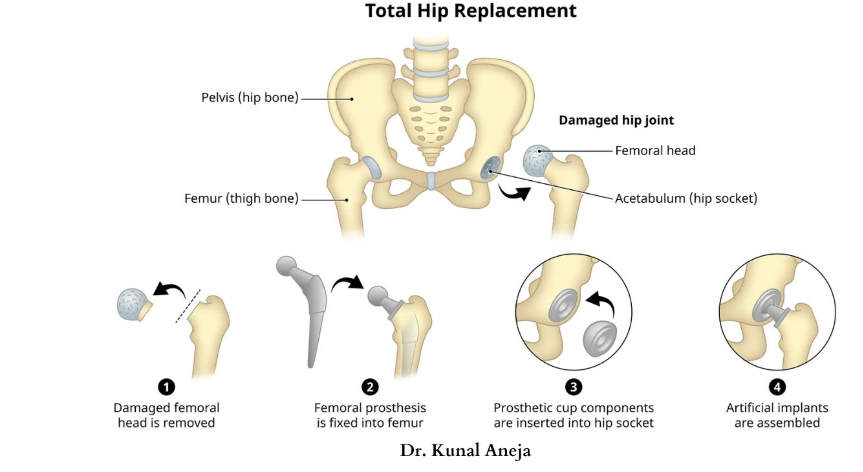
The hip is a ball-and-socket joint. Over time, injury or disease can cause the cartilage to wear away, leading to pain, stiffness, and restricted movement. In such cases, replacing the damaged joint surfaces helps restore normal function.
Patients considering treatment can explore detailed information about the procedure at
Hip Replacement Surgery services available through specialists such as Dr. Kunal Aneja.
Top Reasons to Choose the Best Hip Replacement Surgeon in Delhi
1. Accurate Diagnosis and Treatment Planning
One of the most critical aspects of orthopaedic care is identifying the exact cause of hip pain. The Best Hip Replacement Surgeon in Delhi conducts a comprehensive evaluation that includes:
- Detailed medical history assessment
- Physical examination of joint movement and stability
- Advanced imaging such as X-rays or MRI
- Analysis of mobility limitations and lifestyle factors
A correct diagnosis ensures that surgery is recommended only when truly necessary. In many cases, early-stage conditions can be managed with non-surgical treatments before considering joint replacement.
2. Expertise in Advanced Hip Replacement Techniques
Orthopaedic surgery has evolved significantly in recent years. Leading specialists now perform procedures using modern surgical approaches that improve safety and outcomes.
Key advancements include:
- Minimally invasive hip replacement surgery
- Muscle-sparing surgical techniques
- Computer-assisted or robotic-assisted surgery
- Advanced implant materials with long durability
Surgeons with specialized expertise in these techniques are able to perform procedures with greater precision, minimizing tissue damage and improving recovery timelines.
3. Improved Surgical Precision and Implant Alignment
Proper positioning of the artificial hip implant is crucial for long-term success. Misalignment can lead to complications such as instability, uneven joint wear, or reduced mobility.
The Best Hip Replacement Surgeon in Delhi uses advanced surgical planning and intraoperative precision tools to ensure:
- Accurate implant positioning
- Proper joint alignment
- Balanced hip movement
- Reduced risk of dislocation or implant failure
This level of surgical accuracy significantly improves the longevity and functionality of the replacement joint.
4. Lower Risk of Complications
Hip replacement surgery is widely considered safe, but the risk of complications depends largely on surgical expertise and post-operative management.
Experienced orthopaedic surgeons implement strict protocols to reduce risks such as:
- Infection
- Blood clots
- Implant loosening
- Nerve injury
Pre-operative patient assessment, sterile surgical environments, and structured recovery plans all contribute to safer outcomes.
5. Personalized Patient-Centered Care
Every patient’s hip condition is unique. Factors such as age, activity level, bone quality, and overall health influence the treatment approach.
The Best Hip Replacement Surgeon in Delhi develops individualized treatment plans that may include:
- Non-surgical management for early-stage conditions
- Partial or total hip replacement based on damage severity
- Tailored rehabilitation programs
This personalized care ensures optimal outcomes for each patient.
6. Faster Recovery with Modern Surgical Methods
Modern hip replacement techniques focus on minimizing surgical trauma and accelerating recovery.
Benefits often include:
- Smaller surgical incisions
- Less muscle disruption
- Reduced postoperative pain
- Shorter hospital stays
- Faster return to daily activities
Patients treated by experienced specialists often begin walking within 24–48 hours after surgery with guided physiotherapy.
7. Access to Advanced Orthopaedic Technology
The best orthopaedic surgeons integrate modern technology into their surgical workflow. Advanced tools help improve surgical accuracy and patient outcomes.
These technologies may include:
- Computer-assisted navigation systems
- Robotic surgical platforms
- 3D surgical planning software
- High-performance implant materials
Access to these innovations enhances both safety and long-term durability of the joint replacement.
8. Comprehensive Rehabilitation Support
Recovery after hip replacement surgery is not limited to the operation itself. Rehabilitation plays a crucial role in restoring strength, flexibility, and mobility.
A structured rehabilitation plan typically includes:
- Early mobilization and walking exercises
- Physiotherapy for joint strength
- Balance and gait training
- Lifestyle guidance for joint protection
9. Long-Term Joint Function and Durability
Modern hip implants are designed to last for decades when placed correctly and maintained through healthy lifestyle habits.
Experienced surgeons ensure:
- Optimal implant positioning
- Proper joint biomechanics
- Minimal implant wear
As a result, patients often experience long-term pain relief and improved mobility for many years after surgery.
10. Enhanced Quality of Life After Surgery
Perhaps the most important reason to choose the best hip replacement surgeon is the significant improvement in quality of life that patients experience.
After successful hip replacement surgery, patients often regain the ability to:
- Walk comfortably without pain
- Climb stairs and move freely
- Return to work and social activities
- Enjoy light exercise and daily routines
Restoring mobility not only improves physical health but also enhances emotional well-being and independence.
Why Patients Trust Dr. Kunal Aneja for Hip Replacement Surgery
Patients across Delhi and surrounding regions choose Dr. Kunal Aneja for advanced joint replacement procedures due to his patient-focused approach and commitment to clinical excellence.
Key aspects of his practice include:
- Expertise in hip and knee joint replacement surgery
- Focus on minimally invasive orthopaedic techniques
- Advanced surgical planning and precision
- Individualized treatment strategies
- Comprehensive patient education and rehabilitation support
Conclusion
Hip replacement surgery has transformed the lives of millions of people suffering from chronic hip pain and limited mobility. With modern surgical advancements, the procedure is safer, more precise, and offers faster recovery than ever before.
However, achieving the best outcomes depends greatly on the expertise of the surgeon performing the procedure. Choosing the Best Hip Replacement Surgeon in Delhi ensures accurate diagnosis, advanced surgical care, and comprehensive rehabilitation support.
FAQs
1. Who is the best hip replacement surgeon in Delhi?
Ans. The best hip replacement surgeon is one with extensive experience, advanced surgical skills, and a patient-centered approach to joint replacement care.
2. When is hip replacement surgery recommended?
Ans. Hip replacement surgery is recommended when severe joint damage causes persistent pain and mobility limitations that do not improve with non-surgical treatments.
3. How long does hip replacement surgery take?
Ans. The procedure typically takes about 1–2 hours, depending on the complexity of the case.
4. How long does recovery take after hip replacement?
Ans. Most patients resume daily activities within a few weeks, while full recovery may take several months with physiotherapy.
5. How long do hip implants last?
Ans. Modern hip implants can last 15–25 years or longer when placed correctly and maintained with proper care.