
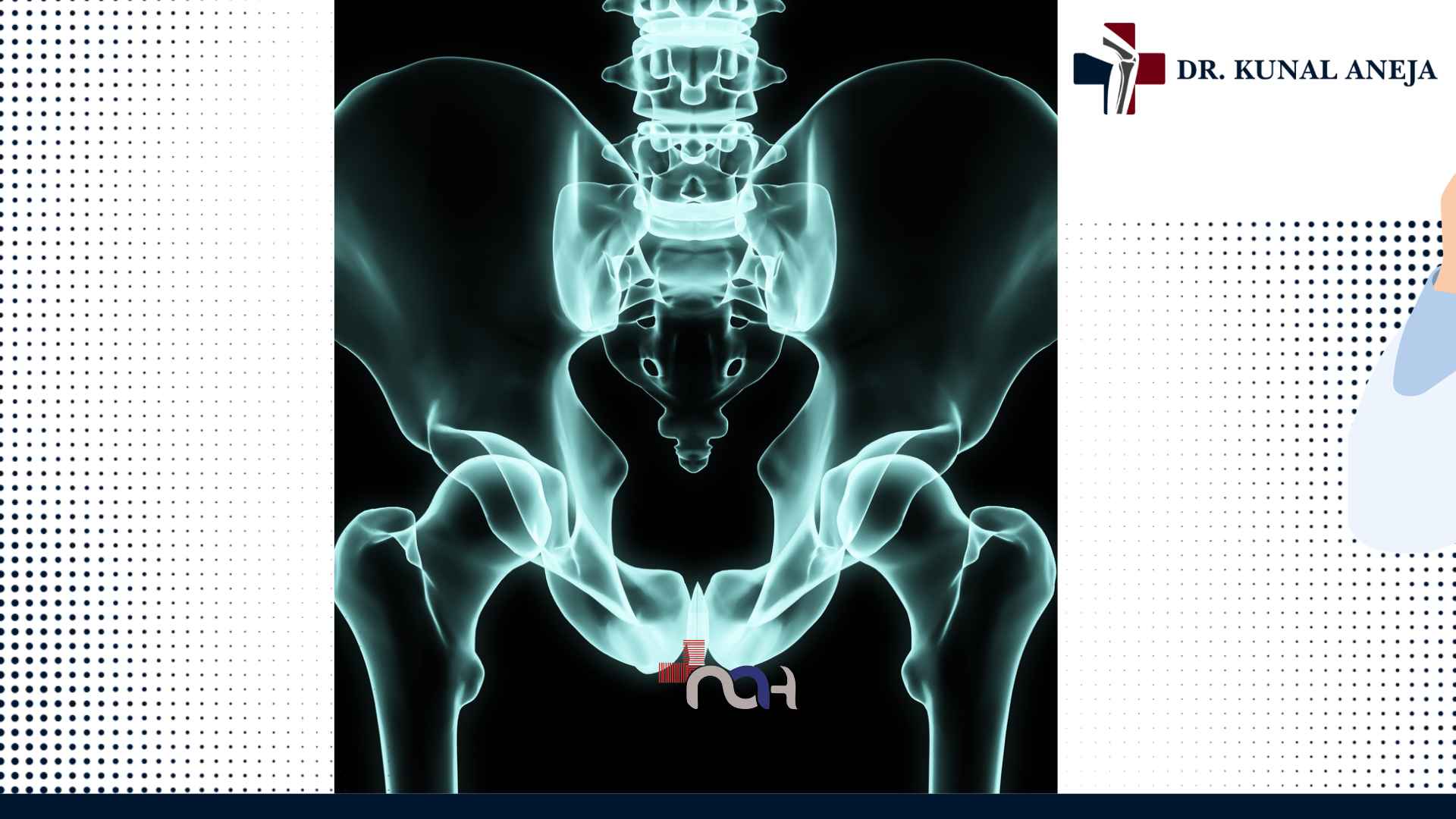
Hip preservation surgery aims to protect your natural hip joint and delay or avoid replacement, usually in younger or active people whose hip pain comes from a structural problem such as femoroacetabular impingement (FAI), a labral tear or early joint damage. It works best before the cartilage has worn away. If arthritis is already advanced, a hip replacement is often the more reliable option, and an orthopaedic surgeon can tell you which applies after an examination and imaging.
Overview
Hip pain at 30 or 40 is a strange thing. You do not feel old, you still want to run, travel, play with your children or sit cross-legged, and yet a deep ache in the groin keeps interrupting all of it. Many people in this position are told they will need a hip replacement “someday” and left to wait. But “someday” is not always the only answer. In selected patients, the joint can be treated early so that the natural hip lasts longer. If you want an opinion on your own hip, you can book a consultation with Dr. Kunal Aneja.
Dr. Kunal Aneja is a Senior Consultant Orthopaedic Surgeon in Delhi and the Managing Director of Naveda Healthcare Centre. His listed work includes joint replacement, joint preservation surgery and sports injury care, and you can read about his hip replacement surgery in Delhi on the main site. This post explains what hip preservation means, who it is meant for and when a different path makes more sense.
What Is Hip Preservation Surgery?
In simple words
● A group of treatments that aim to protect and repair the natural hip joint
● Used mainly when the problem is mechanical, such as a bone shape issue or torn cartilage
● Meant to relieve pain, improve movement and slow the wear of the joint
● Different from replacement, which removes the damaged joint and puts in an implant
Hip preservation is about fixing the cause of the problem early, before the joint is beyond repair.
Meet Dr. Kunal Aneja
Dr. Kunal Aneja is a Senior Consultant Orthopaedic Surgeon in Delhi and Managing Director of Naveda Healthcare Centre. His listed qualifications include MBBS, MS, DNB, M.Ch (Edinburgh), Dip. SICOT (Cape Town) and a Diploma in Football Medicine (FIFA), along with fellowships and memberships in national and international orthopaedic bodies. He consults at Naveda Healthcare Centre in Rohini, Max Super Specialty Hospital in Shalimar Bagh and Saroj Medical Institute in Rohini.
Professional Highlights
● Senior Consultant Orthopaedic Surgeon and Managing Director, Naveda Healthcare Centre
● Qualifications include M.Ch (Edinburgh), DNB and a Diploma in Football Medicine (FIFA)
● Conditions treated include hip arthritis, AVN, labral tears and femoroacetabular impingement
● Services include joint preservation surgery, osteotomies and joint replacement
Message the clinic on WhatsApp, or see patient education on YouTube.
Which Hip Problems Can Preservation Address?
1. Femoroacetabular Impingement (FAI)
In FAI, the ball or socket of the hip has an extra bit of bone, so the joint pinches during movement, especially when you bend deeply. Over time, this can damage the cartilage. Early treatment aims to reduce that damage.
2. Labral Tears
The labrum is a rim of cartilage that helps the hip stay stable. It can tear because of impingement, injury or repeated stress. Typical symptoms include groin pain, catching or clicking and a feeling that the hip is unstable.
3. Early Avascular Necrosis (AVN)
AVN happens when the blood supply to the ball of the hip is reduced. Catching it early gives more options for protecting the joint. Our post on AVN treatment in Delhi explains why timing matters.
4. Hip Alignment Problems
Some people have a hip socket or thigh bone that sits at an unusual angle. In suitable cases, a surgeon may consider re-alignment procedures such as an osteotomy to share load more evenly.
5. Early Arthritis in Younger Patients
When wear is mild and the joint space is still present, a range of treatments may help control pain and delay surgery.
The earlier the cause is found, the more choices you usually have.
What Are the Treatment Options Before Surgery?
Not everyone needs an operation. Many hip problems are managed first without surgery.
Non-surgical options may include
● Activity changes to avoid positions and movements that pinch the hip
● Targeted physiotherapy to improve strength, control and flexibility
● Weight management, which reduces load on the joint
● Pain relief and anti-inflammatory medicines, as advised by your doctor
● Injections, where suitable, to calm inflammation for a period
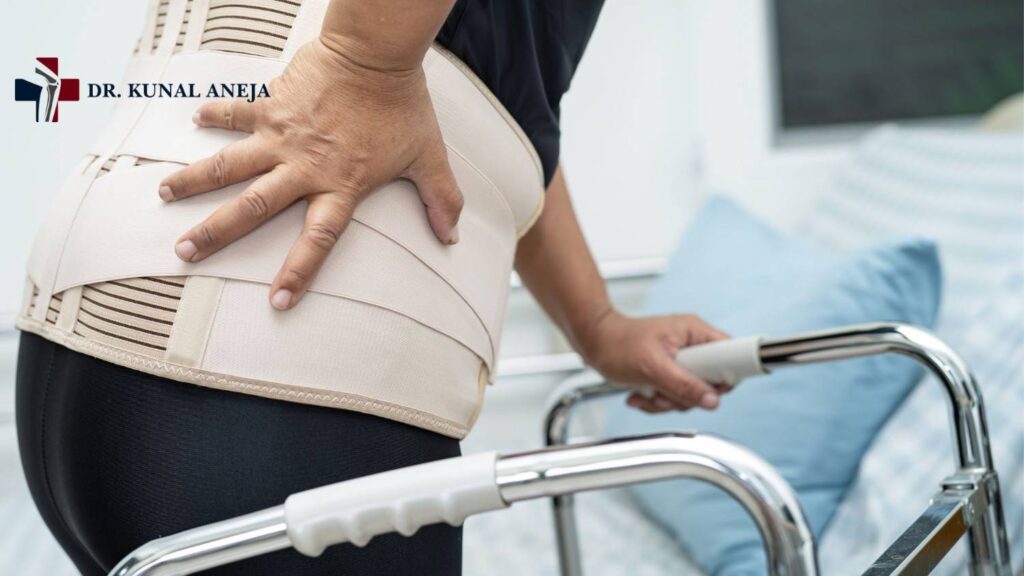
The orthopaedic listing on the clinic’s website also mentions joint preservation procedures such as injections and customised braces. If symptoms continue despite a fair trial of these steps, surgery may be discussed. Our guide to pain relief treatment in Delhi covers when conservative care is enough.
What Surgical Options Exist?
Common approaches in hip preservation
● Hip arthroscopy: A keyhole technique used by some surgeons to reshape bone and repair or clean up the labrum
● Osteotomy: Cutting and re-aligning bone to change how load passes through the joint
● Surgical dislocation or open procedures: Used in certain complex cases
● Procedures for early AVN: Aimed at reducing pressure and protecting the joint, depending on stage
The right choice depends on your anatomy, your symptoms and the stage of joint damage. The surgeon will examine you, review X-rays and often MRI, and explain which options are realistic. Not every surgeon or centre offers every procedure, so ask what is recommended for you and why.
Who Is a Good Candidate for Hip Preservation?
A good candidate usually
● Is young or middle-aged and active
● Has hip pain linked to a clear structural cause on imaging
● Still has reasonable cartilage in the joint
● Has tried non-surgical treatment without enough relief
● Understands what surgery can and cannot do, and is willing to follow rehabilitation
It may not be right if
● The hip already has advanced arthritis with little cartilage left
● Pain comes mainly from the spine or other areas rather than the hip
● Expectations are for a perfect, pain-free joint forever
In these situations, a hip replacement may serve better. You can read about when that decision makes sense in our post on total hip replacement in Delhi.
Why Choose Dr. Kunal Aneja for Hip Care?
Key advantages
● Experience across both joint preservation and joint replacement, so options are weighed honestly
● A senior consultant who personally examines and explains your imaging
● An approach that starts with non-surgical care where appropriate
● Practice at Naveda Healthcare Centre, Max Super Specialty Hospital and Saroj Medical Institute
● Options for an orthopaedic second opinion before you decide on surgery
Not sure if your hip needs surgery? Send a message on WhatsApp and share your concerns.
Signs You Should Get Your Hip Checked
● Groin pain when you sit for long, squat or climb stairs
● Clicking, catching or locking in the hip
● Stiffness that limits how far you can bend or rotate
● Pain after sports or exercise that does not settle
● A limp or reduced walking distance
● Pain at night or when lying on the affected side
What Is the Hip Preservation Journey?
- Consultation: Your history, activities and expectations are discussed.
- Examination and imaging: The hip is examined, and X-rays or MRI are reviewed.
- Plan: Non-surgical and surgical options are explained clearly.
- Treatment: Physiotherapy, injections or surgery, depending on the cause.
- Rehabilitation: A structured recovery plan helps the hip regain strength and movement.
What Are the Benefits of Preserving Your Hip?
✔ A chance to keep your natural joint for longer
✔ Relief from pain linked to a fixable structural problem
✔ Better movement for work, sport and daily life
✔ Possible delay of hip replacement
✔ A plan built around your age, activity and anatomy
What Should Recovery Look Like?
Recovery depends on the treatment. Simple measures may need only activity changes and physiotherapy. Surgery usually involves a period of protected movement, with crutches in some cases, followed by structured exercises. Return to sport comes in stages, and it is guided by how the hip responds. Our section on physiotherapy and rehabilitation shows how the clinic approaches recovery.
Simple guidelines
● Follow your surgeon’s instructions on weight-bearing and movement
● Do the prescribed exercises regularly, not only when it hurts
● Avoid rushing back to impact activities
● Keep to a healthy weight
● Report increasing pain, swelling or fever promptly
Patience in the early weeks usually protects the result for years.
Why Do Delhi Patients Trust Dr. Kunal Aneja?
● Clear explanations of what is wrong and what can and cannot be fixed
● Honest discussion about preservation versus replacement
● Care available in Rohini and Shalimar Bagh
● Patient education shared on Instagram and Facebook
● Easy contact through WhatsApp and phone
Conclusion
Hip preservation surgery is a way of treating the cause of hip pain early, in the hope of keeping your natural joint working well for longer. It is not for everyone, and it works best before significant cartilage loss. The right step is a proper examination, imaging and an honest conversation about your options, including non-surgical care and, when needed, replacement. If you are living with hip pain and want clarity, Dr. Kunal Aneja and the Naveda Healthcare team can help you understand where you stand.
Contact Dr. Kunal Aneja
Email: drkunalaneja@gmail.com
Phone: +91 98112 11503
Book your hip consultation with Dr. Kunal Aneja here
FAQs
What is hip preservation surgery?
It is a group of treatments that aim to protect the natural hip joint, usually in younger or active people with a structural problem such as FAI or a labral tear, to relieve pain and delay or avoid replacement.
Who is a good candidate for hip preservation?
People who are young or middle-aged, active, have a clear structural cause on imaging, still have reasonable cartilage and have not improved with non-surgical treatment.
Can hip preservation prevent a hip replacement?
It may delay replacement in suitable patients, but it cannot guarantee that replacement will never be needed.
When is hip replacement better than preservation?
When arthritis is advanced and most of the cartilage has worn away, a replacement is often the more reliable option.
Where can I get a hip consultation in Delhi?
You can book with Dr. Kunal Aneja at Naveda Healthcare Centre in Rohini, call +91 98112 11503 or message on WhatsApp.