
Overview
You’ve probably read that hip replacement recovery takes anywhere from a few weeks to several months, which is technically true but not particularly useful without understanding why the range is so wide. A large part of the answer comes down to surgical approach and technique, not just how disciplined you are with physiotherapy afterward. This piece breaks down what actually shapes that timeline, stage by stage.
Why Surgical Approach Changes Everything About Recovery
Traditional hip replacement involves a larger incision and more disruption to surrounding muscle. Minimally invasive and modern techniques reduce that disruption considerably, which is one of the main reasons recovery timelines have shortened over the years for patients who are good candidates for these approaches, and one reason recovery experiences vary so much between people who assume they had “the same surgery.”
What Total Hip Replacement Actually Involves
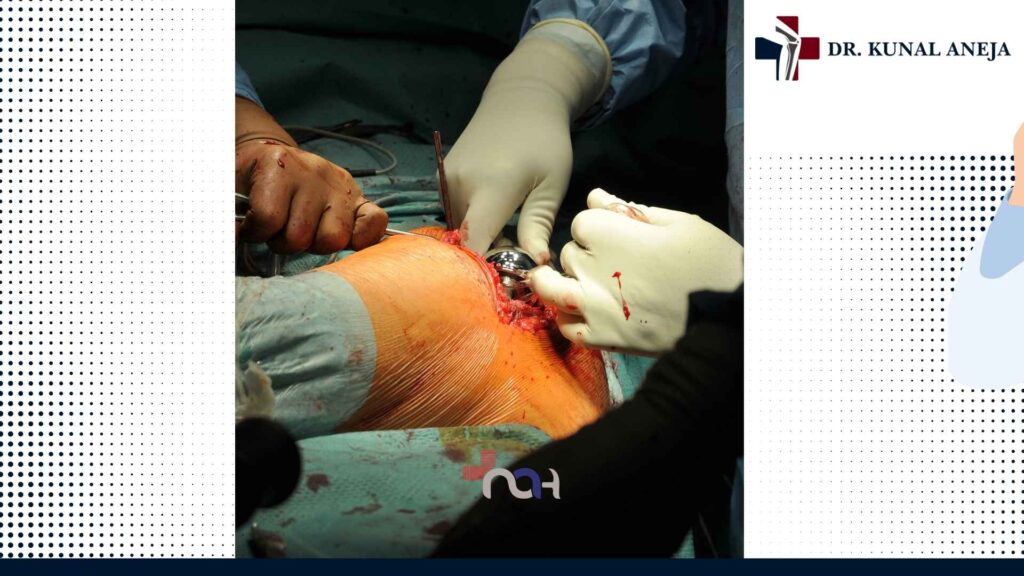
Total hip replacement replaces the damaged ball-and-socket joint with prosthetic components designed to restore pain-free movement. Dr. Kunal Aneja’s approach to this procedure uses precision techniques aimed at reducing tissue trauma during the surgery itself, which has a direct bearing on how quickly patients get back on their feet afterward and how much discomfort they experience along the way.
The First 48 Hours After Surgery
Most patients begin walking with assistance within a day or two of surgery, which surprises people who expect a long period of complete bed rest. Early mobilization is actually part of what improves long-term outcomes, since it reduces complications like blood clots and helps the new joint settle into normal movement patterns sooner rather than later. Pain management during this window is also carefully calibrated to allow enough comfort for movement without over-sedating the patient.
Weeks One Through Four
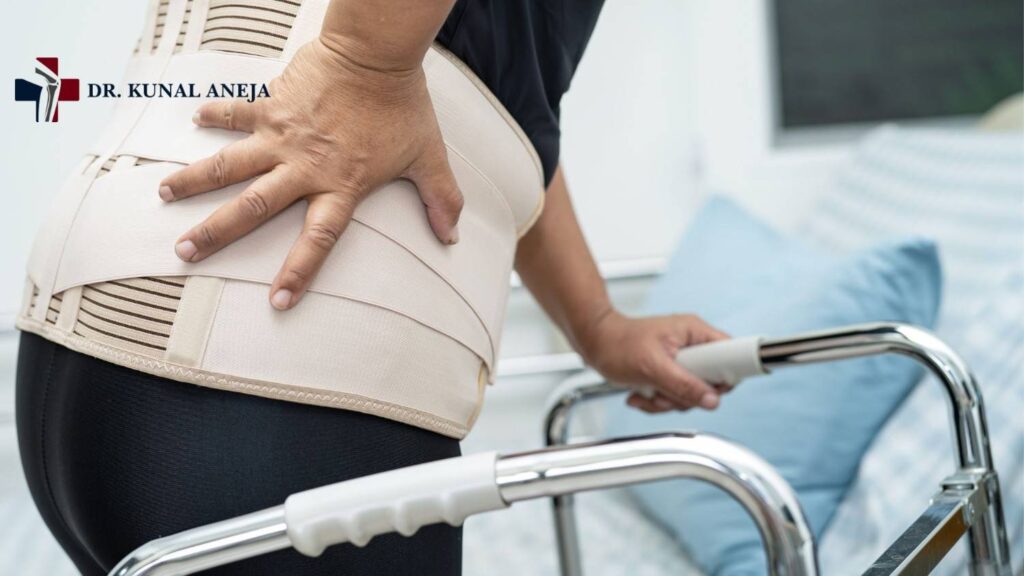
This period typically involves progressively reducing reliance on walking aids, along with structured physiotherapy focused on regaining range of motion and building strength around the new joint. Pain and swelling generally decrease steadily during this window, though everyone’s pace differs somewhat depending on age, overall health, and how closely they follow prescribed exercises.
Weeks Four Through Twelve
Most patients resume many daily activities during this stretch, though high-impact movement is still generally restricted. This is typically when patients notice the joint starting to feel more like a normal part of their body rather than something they’re consciously managing every time they move, sit, or climb stairs.
Why Implant Choice and Technique Both Matter Long-Term
Modern implants, when placed with precision techniques, can last well beyond a decade in many patients. The combination of implant quality and how accurately it’s positioned during surgery has a direct bearing on how long the joint performs well before any revision becomes necessary down the line, which is why implant selection deserves as much attention as the surgical technique itself.
The Role of Pre-Surgery Preparation
Reviewing the full breakdown of hip replacement surgery in Delhi beforehand helps set realistic expectations about what pre-surgery preparation actually involves.
Recovery timelines aren’t only shaped by what happens after surgery. Patients who arrive at surgery with better baseline strength and mobility, sometimes through pre-operative physiotherapy, often progress through the early recovery stages somewhat more smoothly than those who haven’t prepared beforehand. This “pre-hab” period is frequently overlooked but can meaningfully shape how the first few weeks go.
Nutrition and Recovery Speed
What might seem unrelated actually plays a measurable role: adequate protein intake and overall nutrition support tissue healing and muscle rebuilding around the new joint. Patients focused purely on physiotherapy sometimes overlook this, even though the two work together rather than independently.
Realistic Expectations Versus Marketing Promises
Not every recovery follows the fastest possible timeline, and it’s worth being cautious of anything promising a universal recovery window. Age, overall health, and how closely physiotherapy guidance is followed all shift the timeline meaningfully from person to person, sometimes considerably, and comparing your recovery directly to someone else’s isn’t always a useful exercise.
Conclusion
Hip replacement recovery in Delhi varies significantly based on surgical technique, how the procedure is performed, and individual patient factors. Understanding what’s realistic at each stage, rather than expecting a single universal timeline, makes the recovery process considerably less stressful to navigate.
Frequently Asked Questions
How soon can I walk after hip replacement surgery?
Most patients begin walking with assistance within 24 to 48 hours after surgery, with reliance on walking aids decreasing over the following weeks.
Does minimally invasive surgery really speed up recovery?
Generally, yes, since it involves less disruption to surrounding tissue, though candidacy for this approach depends on individual factors assessed during consultation.
How long do modern hip implants typically last?
With precision placement, many implants last well over a decade, though this varies based on activity level and individual factors.
When can I resume normal activities after a hip replacement?
Most people resume many daily activities within four to six weeks, with full recovery and higher-impact activity typically taking several months.
CTA