
Overview
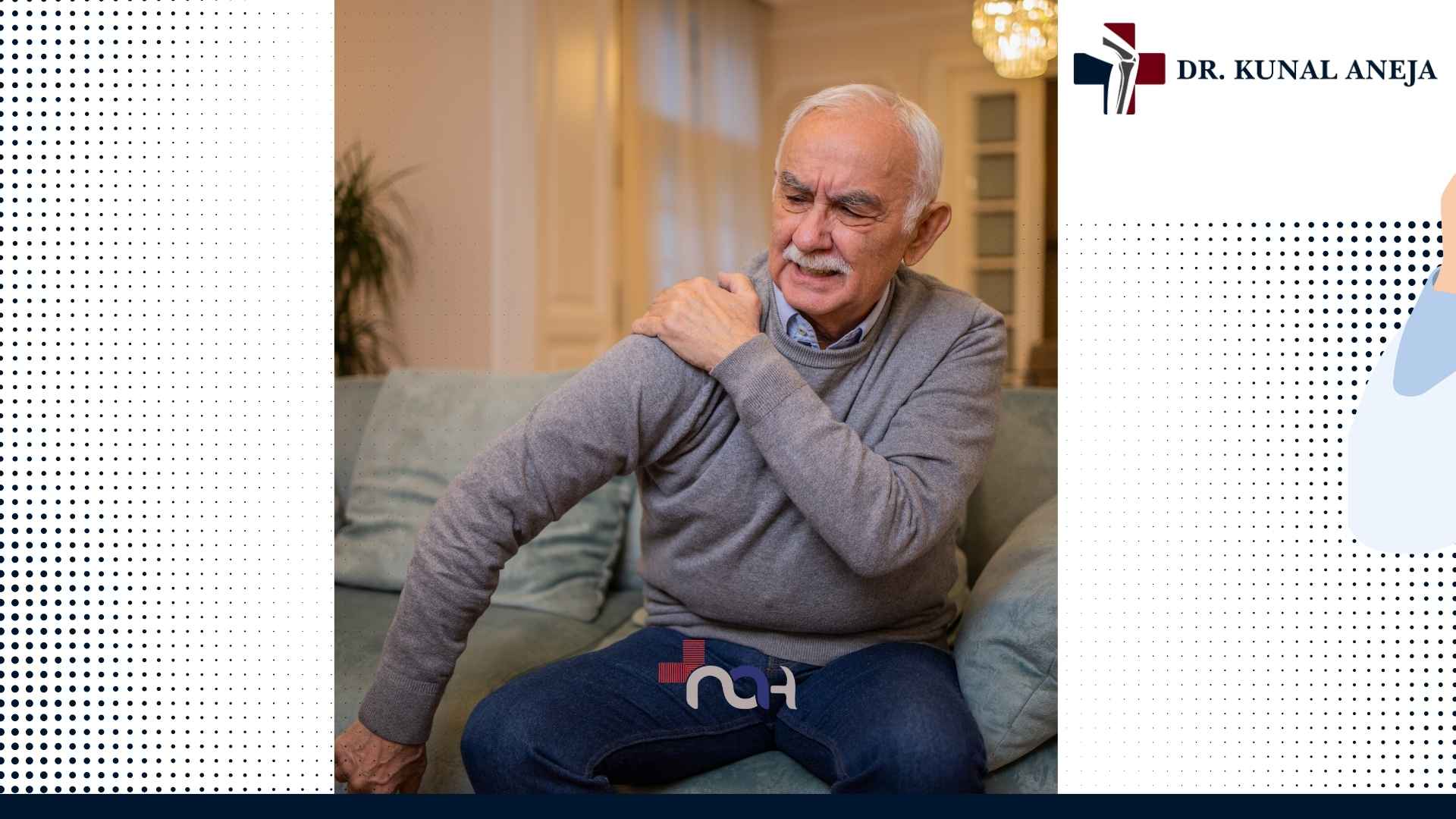
Reaching for something on a top shelf shouldn’t be painful, but for a lot of people it suddenly is, seemingly out of nowhere. That specific pattern, pain only or mostly when lifting the arm overhead, usually points to something happening inside the shoulder joint itself, most commonly involving the rotator cuff or the structures around it. Getting proper evaluation for Shoulder Arthroscopy in Delhi early on tends to mean a simpler, less invasive fix than waiting until the pain becomes constant.
Dr. Kunal Aneja, practising at Naveda Healthcare Centre in Rohini and Max Super Specialty Hospital, Shalimar Bagh, treats overhead shoulder pain through minimally invasive arthroscopic technique whenever surgery is genuinely needed.
Why Overhead Movement Specifically Triggers Shoulder Pain
What’s usually happening:
● The rotator cuff tendons pass through a narrow space that narrows further during overhead motion
● Impingement occurs when these tendons get pinched between bones during lifting
● Partial tears often hurt specifically during this motion, while feeling fine otherwise
● Repetitive overhead activity, from sports to certain jobs, gradually wears down these structures
Pain that’s specific to overhead motion, rather than constant, is actually a useful clue pointing toward impingement or a rotator cuff issue rather than general joint damage.
Meet Dr. Kunal Aneja – Shoulder Arthroscopy Surgeon in Delhi
Patients dealing with shoulder pain want a surgeon who can distinguish between simple impingement and something requiring surgical repair.
Professional Highlights:
● Fellow, Delhi Orthopaedic Association (Ganga Hospital), SICOT (Hungary), and Asia Pacific Arthroplasty Society
● Over 12 years of experience across trauma, sports medicine, and joint disorders
● Extensive training in arthroscopic, minimally invasive surgical technique
● Practising at Naveda Healthcare Centre, Rohini, and Max Super Specialty Hospital, Shalimar Bagh
Patients can describe their specific shoulder symptoms directly via WhatsApp before booking a consultation.
What Shoulder Arthroscopy Actually Treats
1. Rotator Cuff Tears
Partial or full tears causing pain and weakness, particularly during overhead motion.
2. Shoulder Impingement
Tendons pinched during overhead movement, treated by creating more space within the joint.
3. Labral Tears
Damage to the cartilage rim of the shoulder socket, often from repetitive overhead activity or injury.
4. Frozen Shoulder
Stiffness and restricted movement sometimes requiring arthroscopic release when conservative treatment doesn’t resolve it.
Why Choose Dr. Kunal Aneja for Shoulder Arthroscopy?
Key advantages:
● Arthroscopic, keyhole technique minimising scarring and recovery time
● Accurate diagnosis distinguishing impingement from tears requiring repair
● Conservative treatment tried first when surgery isn’t genuinely necessary
● Structured rehabilitation support built into every treatment plan
A surgeon who can confidently tell you whether your shoulder needs surgery or just proper rehabilitation is exactly who you want evaluating overhead shoulder pain.
Signs Your Shoulder Pain Needs Evaluation
Consider a consultation if:
● Pain occurs specifically when lifting your arm overhead or to the side
● You’ve noticed weakness when reaching or lifting objects
● The pain has persisted for more than a few weeks despite rest
● You hear or feel clicking, catching, or grinding during shoulder movement
Overhead-specific shoulder pain that persists beyond a few weeks rarely resolves on its own and benefits from a proper evaluation.
Step-by-Step Shoulder Evaluation and Treatment
1. Initial Consultation
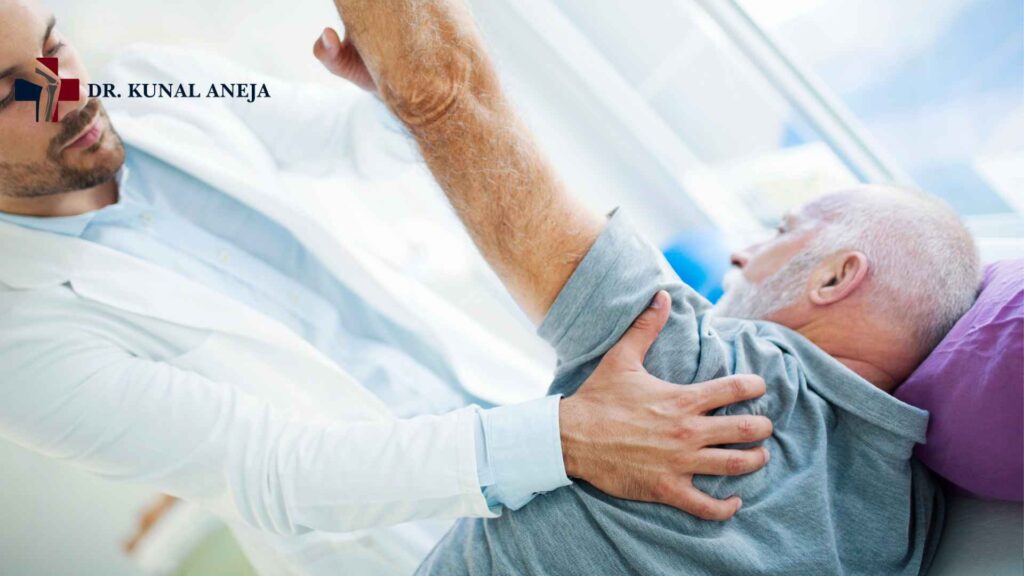
Symptoms, pain pattern, and range of motion are assessed in detail.
2. Imaging Review
X-rays or MRI confirm whether impingement, a tear, or another issue is present.
3. Treatment Decision
Conservative treatment or arthroscopic surgery is recommended based on findings.
4. Arthroscopic Procedure
If needed, minimally invasive surgery addresses the specific issue through small incisions.
5. Structured Rehabilitation
A recovery plan restores strength and full range of motion over time.
Benefits of Arthroscopic Shoulder Treatment
✔ Minimally invasive technique with smaller incisions and less scarring
✔ Faster recovery compared to traditional open shoulder surgery
✔ Accurate diagnosis and treatment of the specific underlying issue
✔ Preserves as much natural shoulder structure as possible
✔ Structured rehabilitation supporting full return to activity
For most rotator cuff and impingement issues, arthroscopic treatment offers a meaningfully faster, less invasive path back to normal movement.
Recovery After Shoulder Arthroscopy
What recovery typically involves:
● Initial rest and pain management in the first few days
● Gradual physiotherapy to restore range of motion
● Progressive strengthening exercises over several weeks
● Full return to overhead activity typically within a few months, depending on the repair
Most patients see steady improvement in overhead movement as physiotherapy progresses, with full strength returning over the following weeks.
Why Delhi Patients Trust Dr. Kunal Aneja for Shoulder Arthroscopy
● Extensive arthroscopic training across multiple international fellowships
● Practice based in both Rohini and Shalimar Bagh for accessibility
● Accurate, conservative-first diagnostic approach
● Direct WhatsApp access at api.whatsapp.com/send/?phone=919811211503 for questions
● A track record built on thousands of successful orthopaedic procedures
Getting overhead shoulder pain properly diagnosed early is what usually keeps the treatment simple rather than letting it progress into something more complex.
Conclusion
Shoulder pain that shows up specifically during overhead movement is a genuine, common pattern, usually pointing toward rotator cuff or impingement issues rather than something more serious. Dr. Kunal Aneja evaluates this pattern carefully, using arthroscopic technique only when it’s genuinely needed.
For questions about your shoulder pain, email drkunalaneja@gmail.com or call (+91) 98112 11503. Follow patient outcomes on Instagram and Facebook.
Book your shoulder consultation with Dr. Kunal Aneja here.
FAQs
Why does my shoulder only hurt when I reach overhead?
This pattern usually points to shoulder impingement or a rotator cuff issue, where tendons get pinched or strained specifically during overhead motion.
Does shoulder pain during overhead movement always mean surgery?
No. Many cases respond well to physiotherapy and conservative treatment. Arthroscopic surgery is only recommended when conservative treatment doesn’t resolve the issue.
How long does recovery take after shoulder arthroscopy?
Most patients see steady improvement over several weeks, with full return to overhead activity typically within a few months depending on the specific repair.
What’s the difference between shoulder impingement and a rotator cuff tear?
Impingement involves tendons being pinched during movement, while a tear involves actual damage to the tendon. Imaging helps distinguish between the two.
Is shoulder arthroscopy a minimally invasive procedure?
Yes. Shoulder arthroscopy uses small incisions and a camera-guided approach, resulting in less scarring and generally faster recovery than open surgery.