
Overview
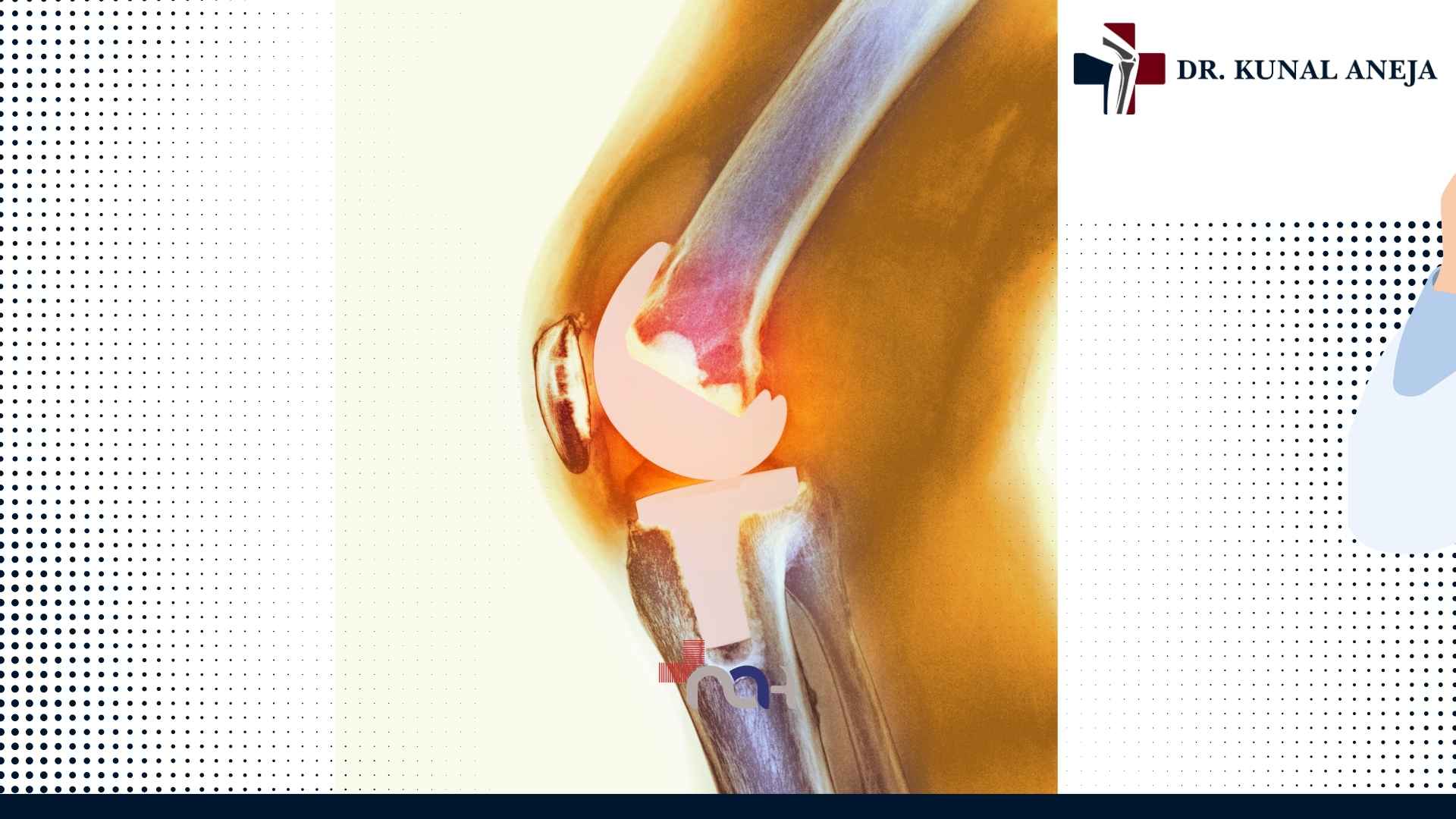
Knee replacement is one of the most frequently over-recommended and under-recommended orthopaedic procedures in Delhi, often at the same time. Some patients are told they need it long before conservative options have been genuinely exhausted. Others wait years beyond the point where surgery would have restored their quality of life far earlier. Knowing when knee replacement is actually the right call involves understanding what the imaging shows, what conservative treatment can and cannot achieve at different stages of arthritis, and how your specific lifestyle and activity goals factor into the recommendation. Before accepting or refusing that recommendation, consulting an orthopaedic specialist for knee replacement in Delhi who explains the imaging directly and presents both options honestly is what turns a confusing decision into a clear one.
Among the trusted names for knee replacement assessment in Delhi NCR, Dr. Kunal Aneja at Naveda Healthcare Centre, Rohini, applies a conservative-first philosophy to every knee replacement consultation, recommending surgery only when the imaging and patient factors genuinely support it.
What the Imaging Actually Tells You
Most knee replacement decisions should be grounded in X-ray findings showing the extent of joint space remaining. The Kellgren-Lawrence grading system classifies knee arthritis from Grade 1 to Grade 4, and the surgical threshold matters.
What each grade generally means:
● Grade 1 and 2: Early arthritic changes. Conservative management typically produces meaningful improvement. Surgery is rarely indicated at this stage.
● Grade 3: Moderate joint space narrowing. Conservative management still has value. Surgery may be appropriate when symptoms are severe and not responding despite a proper trial.
● Grade 4: Severe narrowing or bone-on-bone contact. Conservative management manages symptoms but cannot address the structural issue. Surgery is often the appropriate recommendation at this stage.
A surgeon who recommends knee replacement at Grade 2 or early Grade 3 without a genuine trial of conservative management first is recommending it prematurely.
Meet Dr. Kunal Aneja – Conservative-First Knee Replacement Specialist in Delhi
Patients unsure whether their knee actually needs replacement want a surgeon who is as comfortable telling them it does not yet as he is performing the procedure when it genuinely does.
Professional Highlights:
● Triple board-certified: MBBS, MS, DNB, M.Ch (Edinburgh)
● Fellowship training in Arthroplasty including complex and revision knee cases
● A conservative-first philosophy applied to every knee replacement consultation
● 18 years of dedicated joint replacement experience
● Available at Naveda Healthcare Centre Rohini and Max Super Specialty Hospital Shalimar Bagh
Dr. Kunal Aneja reviews your X-rays directly at consultation, grades the arthritis, and explains honestly whether surgery is indicated or whether conservative management still has meaningful room to run.
When Conservative Management Is Still the Right Answer
Continue with non-surgical treatment when:
● Imaging shows Grade 1 to Grade 2 arthritis with significant joint space remaining
● Physiotherapy has not been properly tried or has not had a sufficient trial period
● Weight loss in overweight patients has not yet been attempted, since meaningful reduction can significantly reduce symptoms and delay or avoid surgery
● Hyaluronic acid or corticosteroid injections have not been trialled
● Symptoms are manageable and do not significantly restrict daily activity
Recommending surgery before these options have been properly exhausted is the most common form of premature knee replacement recommendation in Delhi.
When Knee Replacement Is Actually the Right Call
Surgery is genuinely indicated when:
● Grade 4 arthritis with bone-on-bone contact is confirmed on imaging
● Pain consistently disrupts sleep and prevents normal daily activity
● Conservative management including physiotherapy and injections has been properly trialled without adequate relief
● Joint deformity is affecting alignment and walking pattern
● Quality of life has declined to a point where basic activities are significantly restricted
All five of these factors together, not just one or two in isolation, represent the clearest indication that surgery is the appropriate next step.
Why Choose Dr. Kunal Aneja for This Decision in Delhi?
Key advantages:
● A conservative-first philosophy that does not rush toward surgery
● Direct, imaging-graded explanation at every consultation
● Both surgical and non-surgical options presented before any recommendation
● Fellowship-trained Arthroplasty expertise when surgery is the right call
● Available across Rohini and Shalimar Bagh with direct imaging opinion via WhatsApp
A surgeon confident enough in his skills to tell a patient they do not yet need surgery is one worth trusting when he eventually says they do.
Signs You Should Get a Proper Assessment
Book a consultation if:
● You have been told you need knee replacement but want to understand the imaging basis for that recommendation
● You have knee pain significant enough to affect sleep and daily activity
● You are unsure whether conservative management has actually been properly tried
● You want to understand what Grade your arthritis is at before making a decision
● You want a second opinion from a fellowship-trained Arthroplasty specialist
Dr. Kunal Aneja reviews imaging and grades arthritis before giving any recommendation, so the advice is grounded in what the X-ray actually shows.
Step-by-Step Knee Replacement Decision Journey
1. Imaging Assessment
X-rays are reviewed and arthritis grade is confirmed.
2. Conservative Option Review
Whether physiotherapy, injections, or weight management still has meaningful room to improve symptoms is assessed honestly.
3. Honest Recommendation
Surgery or continued conservative management is recommended based on the imaging grade and patient factors.
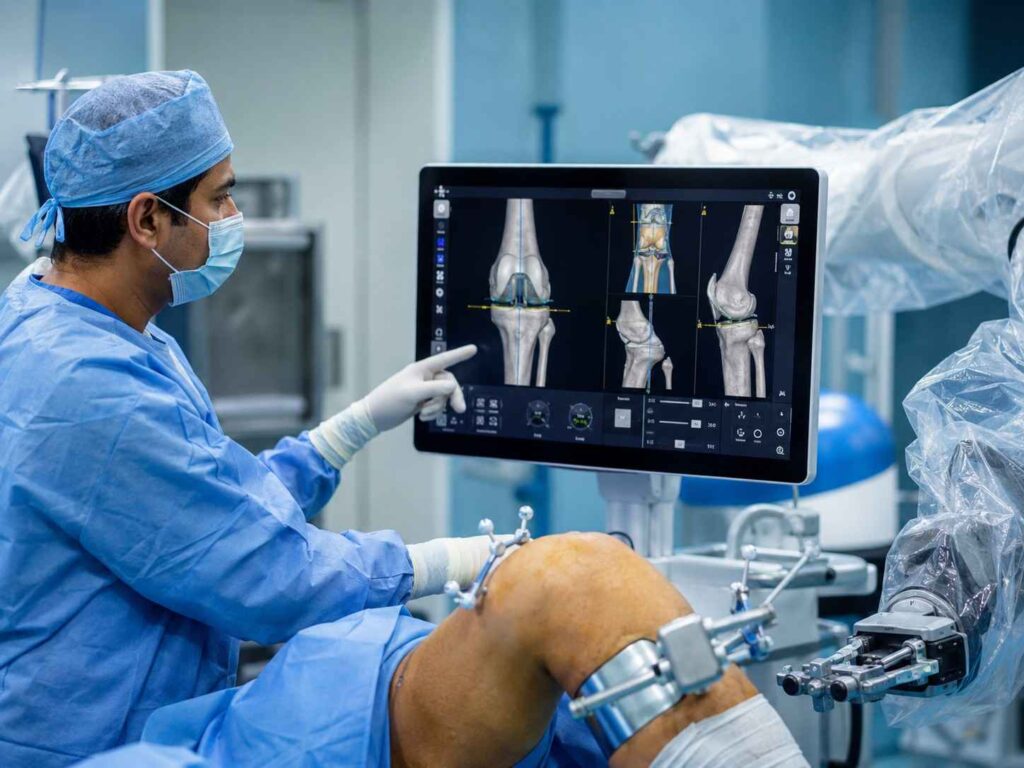
4. If Surgery is Agreed
Technique selection, implant choice, and rehabilitation planning proceed.
5. If Surgery is Deferred
A structured conservative plan is built with a clear review point.
Benefits of Getting This Decision Right
✔ Avoiding surgery that was recommended before conservative options were exhausted
✔ Not delaying surgery past the point where it would have restored quality of life earlier
✔ A recommendation grounded in imaging grade rather than symptom severity alone
✔ A conservative plan with a clear review point when surgery is deferred
✔ Confidence in the decision based on a direct, imaging-graded explanation
Patients who understand the imaging basis for their knee replacement recommendation are consistently more confident going into surgery and more satisfied with the outcome.
Recovery and Rehabilitation: The Key to Success
When surgery is the right call, post-operative care includes:
● Physiotherapy beginning within 24 to 48 hours of surgery
● Progressive strength and mobility exercises through structured phases
● Regular follow-up confirming implant alignment and healing
● Clear milestones before clearance to walk without support
● Lifestyle guidance on activity levels appropriate for the implant
Most patients regain independent mobility within 4 to 6 weeks, with full recovery continuing over 2 to 3 months.
Why Delhi Patients Trust Dr. Kunal Aneja for This Decision
● A conservative-first philosophy that does not rush toward surgery
● Direct, imaging-graded explanation at every consultation
● Fellowship-trained Arthroplasty expertise for when surgery is genuinely right
● Available across Naveda Healthcare Rohini and Max Shalimar Bagh
● Direct imaging opinion available via WhatsApp before committing to a formal consultation
This imaging-first, conservative-philosophy approach to the knee replacement decision is why patients across Delhi NCR come to Dr. Kunal Aneja specifically for a second opinion before agreeing to surgery.
Conclusion
Knowing when knee replacement is actually the right time comes down to understanding the imaging grade, confirming conservative options have been genuinely exhausted, and having a surgeon explain both paths honestly. Dr. Kunal Aneja at Naveda Healthcare Centre in Rohini applies exactly that approach to every knee replacement consultation.
For a second opinion or imaging review, call +91 98112 11503 or email drkunalaneja@gmail.com. Follow surgical education content on YouTube.
Book your knee replacement assessment with Dr. Kunal Aneja here
FAQs
How do I know if I actually need knee replacement in Delhi?
Grade 4 arthritis confirmed on imaging, pain disrupting sleep and daily activity, and failure of conservative treatment after a genuine trial are the clearest combined indicators. Dr. Kunal Aneja reviews imaging directly to confirm. Call +91 98112 11503.
Is knee replacement recommended too early in Delhi?
It can be. Grade 2 or early Grade 3 arthritis without a proper trial of physiotherapy and injections does not justify surgery. A second opinion from a fellowship-trained specialist is advisable before agreeing.
Can physiotherapy avoid knee replacement?
For early to moderate arthritis, properly structured physiotherapy can significantly reduce symptoms and delay surgery by years. For Grade 4 bone-on-bone arthritis, it manages symptoms but cannot address the structural damage.
What X-ray grade indicates knee replacement is needed?
Grade 4 with bone-on-bone contact alongside severe functional restriction is the clearest indication. Grade 3 requires individual assessment based on symptom severity and conservative treatment response.
Can I get a remote imaging opinion before booking a consultation in Rohini?
Yes. X-rays can be shared via WhatsApp at +91 98112 11503 for an initial opinion before a formal visit.
Does Dr. Kunal Aneja offer non-surgical knee treatment as well?
Yes. Dr. Aneja presents conservative options at every consultation and recommends them when the imaging grade and patient factors support it, before considering surgery.