
Overview
Knee replacement is often presented as the inevitable next step once you have knee pain or cartilage damage, as if once the cartilage wears down, replacement is your only option. The reality is more nuanced than that.
Modern orthopaedic surgery has moved past the binary choice of living with pain or replacing the joint. Knee preservation techniques can address cartilage damage, realign the knee to reduce stress on damaged areas, and restore function while keeping your natural joint intact. Not every patient with knee arthritis needs total knee replacement, and many benefit from preservation procedures that buy years before replacement becomes necessary, if it ever does. In Delhi, knee preservation has become a realistic option for patients who want to explore alternatives before committing to joint replacement.
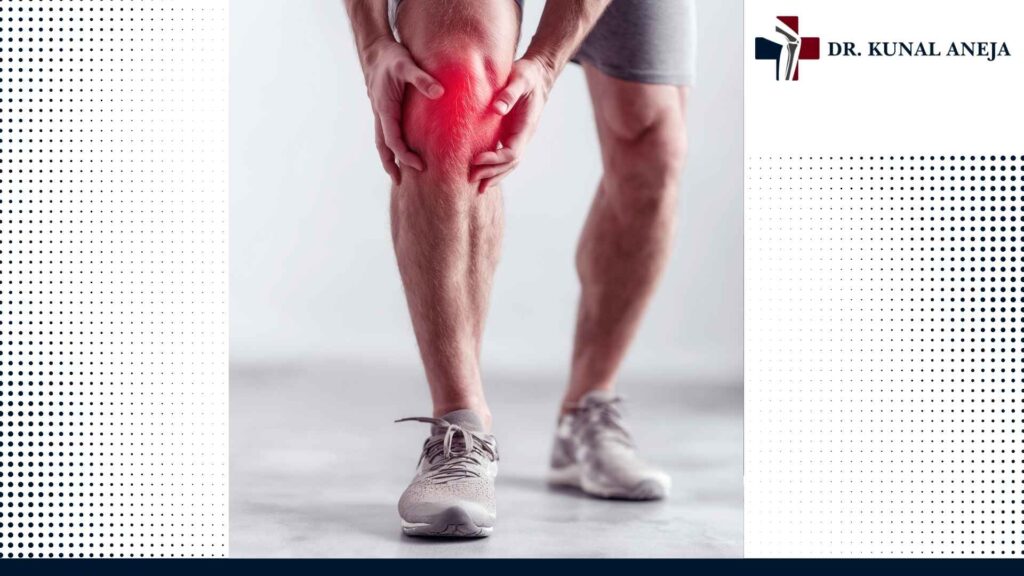
What Is Knee Preservation and When Does It Apply?
Knee preservation refers to procedures designed to repair, regenerate, or realign the knee in ways that maintain your natural joint structure, addressing the underlying problem rather than replacing the entire joint.
These procedures are typically considered for early-to-moderate cartilage damage, isolated compartment arthritis affecting one area of the knee rather than the whole joint, malalignment causing uneven stress, or for patients who simply want to delay or avoid joint replacement altogether.
The goal is not necessarily to fully reverse cartilage damage. It is to reduce pain, improve function, restore stability, and ideally slow the progression of arthritis. Even if joint replacement eventually becomes necessary, preservation procedures can buy years of good quality function before that point.
Specific Knee Preservation Procedures Available in Delhi
High Tibial Osteotomy realigns the knee by cutting and repositioning the shin bone, shifting the load-bearing axis to reduce stress on the damaged side. It works particularly well for damage on the inner side of the knee combined with bowleg alignment.
Autologous Chondrocyte Implantation is a more sophisticated cartilage regeneration technique. Healthy cartilage cells are harvested, grown in a lab, and implanted back into the defect. It requires two procedures but can regenerate functional cartilage tissue.
Cartilage restoration using modern scaffolds allows damaged cartilage to be repaired or replaced with biological material that can develop into new cartilage, and these techniques have improved significantly for isolated defects.
Unicompartmental Knee Replacement replaces only the damaged portion of the knee, preserving the rest of your natural anatomy. It is less invasive than total knee replacement, though it does require specific patient criteria to succeed.
Arthroscopic procedures can clean up loose cartilage, smooth rough surfaces, and address meniscus tears contributing to pain. They do not address underlying arthritis directly, but they can meaningfully improve symptoms and function.
Who Benefits Most From Knee Preservation?
Knee preservation works best for patients under 60 with relatively healthy tissue quality, damage limited to one or two areas of the knee rather than widespread arthritis, significant malalignment that can be corrected, and a genuine willingness to commit to post-operative rehabilitation.
Age alone is not disqualifying. A 70-year-old with isolated cartilage damage and good bone quality might be an excellent candidate for preservation, while a 45-year-old with severe widespread arthritis might not be.
Commitment to rehabilitation matters just as much. Preservation procedures require active participation in physiotherapy and a graduated return to activity. If you are willing to invest in that process, preservation is worth considering. If you are hoping for a quick fix with minimal effort, joint replacement might suit you better.
Best-Fit Candidate Profile for Knee Preservation
• Early or moderate cartilage damage rather than end-stage arthritis.
• Localised damage in one compartment of the knee instead of widespread arthritis.
• Correctable malalignment, instability, or load-related knee pain.
• Motivation for structured physiotherapy, follow-up, and gradual return to activity.
The Advantages and Limitations of Knee Preservation
The biggest advantage of knee preservation is that you keep your natural knee, and that matters more than it might sound. A natural knee has better proprioception, adapts to different surfaces and terrain, and does not face the wear and loosening issues artificial joints face over decades.
Preservation procedures also tend to be less invasive, involve fewer implants, and preserve bone that would otherwise be removed, meaning a surgeon has more to work with later if joint replacement does eventually become necessary.
The limitations are that these procedures are more technically demanding, have steeper learning curves, and are not suitable for all types of knee damage. They require careful patient selection, and they do not guarantee a permanent solution. Some patients eventually need joint replacement anyway, though typically years later than they would have without preservation. Rehabilitation is also more demanding, since preservation requires active, engaged participation rather than the relatively passive recovery that often follows total knee replacement.
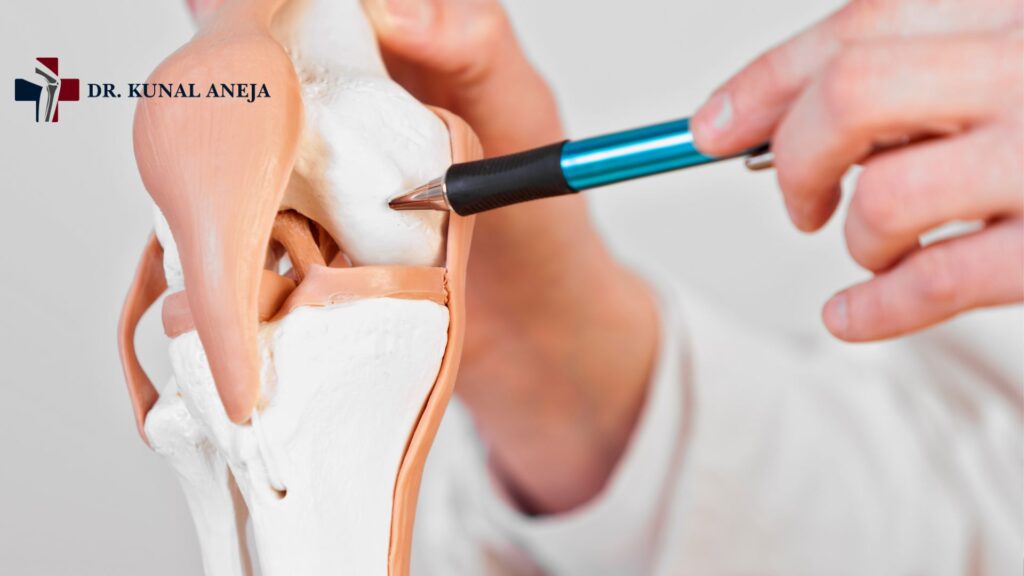
Making the Decision: Preservation vs Replacement
This decision is not standardised. Two equally qualified orthopaedic surgeons might reasonably recommend different approaches for the same knee, because the decision weighs factors that go beyond the purely technical: your age and activity level, your commitment to rehabilitation, your tolerance for uncertainty, your occupation and lifestyle, and your long-term goals.
A young marathon runner with isolated cartilage damage might reasonably pursue preservation to maintain a high activity level. An older patient with severe, widespread arthritis causing significant daily pain might reasonably choose replacement for predictable, reliable relief.
The key is making an informed decision, understanding what the damage looks like, what each option offers, what realistic expectations are, and what recovery actually involves. That is exactly why a detailed evaluation from a joint preservation specialist makes sense before deciding either way.
Conclusion
Your orthopaedic health matters. Whether you need a specialist opinion, want to explore your options, or are ready to begin treatment, Dr Kunal Aneja’s practice is ready to help.
Book a consultation through WhatsApp or call (+91) 98112 11503. Multiple consultation options, including online second opinions, are available.
Frequently Asked Questions
How do I know if I’m a candidate for knee preservation instead of replacement?
Candidates typically have isolated damage in one or two areas of the knee, relatively good bone quality, a willingness to commit to rehabilitation, and realistic expectations about outcomes. A specialist can assess your imaging and anatomy to confirm suitability.
How long do knee preservation results typically last?
Results vary widely. Some preservation procedures provide benefit for ten or more years, while others may need revision or eventual replacement sooner. The goal is typically to delay replacement by several years while improving function in the interim.
Can I return to sports after knee preservation procedures?
It depends on the specific procedure and your rehabilitation. Some approaches are compatible with returning to athletic activity, while others are better suited to restoring function for daily life. Your surgeon can set realistic expectations for your situation.
What happens if knee preservation procedures don’t work and I later need replacement?
Preservation does not make a later joint replacement impossible. However, if bone has been removed or reshaped, the surgeon has less anatomy to work with during replacement, which is why bone-preserving approaches are generally preferred.
How much more difficult is rehabilitation after knee preservation compared to joint replacement?
Knee preservation often requires more active, engaged rehabilitation than joint replacement, since you are actively working to restore function rather than just following a standard protocol. Most patients manage this well with appropriate support from an experienced physiotherapist.
Book Your Consultation
To understand whether knee preservation is possible in your case, book a consultation with Dr Kunal Aneja through WhatsApp or call (+91) 98112 11503. You can also explore related knee preservation treatment options.