
Overview
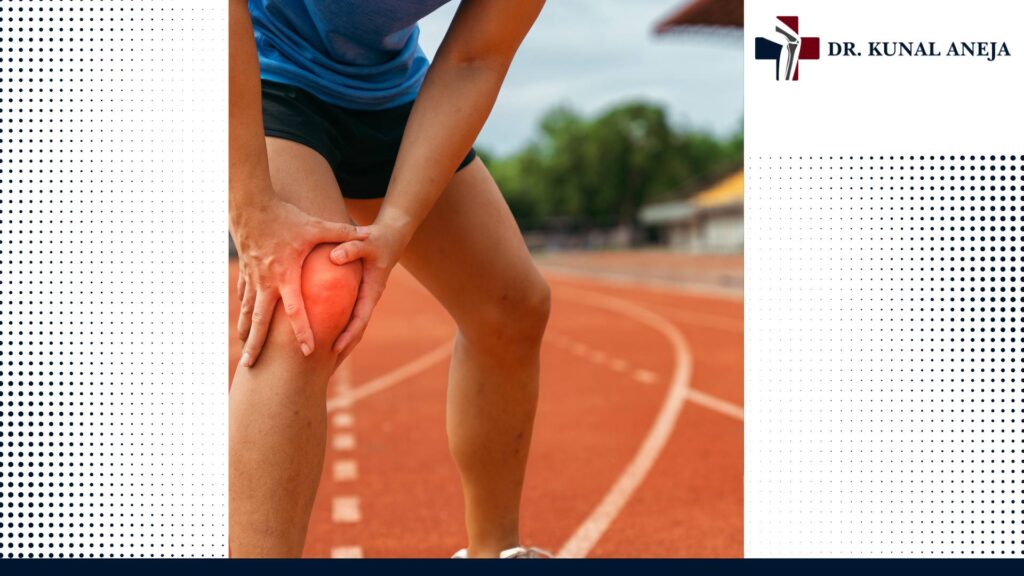
Sports injuries demand a different kind of orthopaedic care. An athlete with a torn ACL does not just want the knee to stop hurting. They want to return to their sport at the same level they played before, which requires understanding the demands of that sport and what true recovery actually looks like.
Many general orthopaedic practices treat sports injuries alongside everything else. Clinics with specialised sports medicine expertise understand the nuances that separate adequate treatment from treatment that genuinely gets athletes back to peak performance. At the best sports injury treatment clinic in Delhi, the focus is not just on healing the injury, but also on returning athletes to the activities they are passionate about.
Why Sports Injuries Need Specialised Treatment
A 45-year-old accountant with a rotator cuff tear and a 25-year-old cricket player with the same tear have identical anatomical injuries but completely different recovery goals. The accountant might be satisfied with pain relief and basic function. The athlete needs throwing power, dynamic stability, and the endurance to play multiple matches.
Sports injuries also tend to be more complex than wear-and-tear injuries. A ligament tear often happens during high-speed movement, a sudden change of direction, or significant impact, and the mechanism of injury matters because it affects what else might be damaged and how to prevent it from happening again.
Athletes also need a different rehabilitation approach altogether. Standard rehab focuses on range of motion and basic strength. Sports-specific rehab rebuilds explosive power, rapid direction changes, and the exact movement patterns needed to return to competition.
Common Sports Injuries and Why Early Diagnosis Matters
Anterior cruciate ligament (ACL) injuries are among the most common sports injuries seen in India. A complete tear usually needs surgical reconstruction if the athlete wants to return to pivoting and cutting sports, while partial tears sometimes respond to non-surgical rehabilitation. That distinction matters enormously and requires expert assessment, not guesswork.
Meniscus injuries range from small tears that heal on their own to complex tears needing surgery. A torn meniscus misdiagnosed as a simple knee strain can get worse with continued activity, which is exactly why early, accurate diagnosis matters.
Rotator cuff injuries in throwing athletes need different treatment compared to the same injury in a non-athlete. A fast bowler needs restored throwing mechanics and rotational power, while a weekend golfer with the same tear might be satisfied with pain relief and basic function.
Ligament sprains in the shoulders, ankles, and wrists are common in contact sports and can lead to chronic instability if not properly rehabilitated. Proper diagnosis and targeted rehab prevent that progression.
The Difference Between Adequate and Exceptional Sports Injury Care
Adequate sports injury care treats the injury and gets the athlete back to some level of activity. Exceptional care gets the athlete back to their pre-injury level of performance, and the difference comes down to specialisation.
A sports medicine specialist understands the demands of specific sports. They know what a fast bowler needs to bowl with speed and accuracy again, the rotational demands on a badminton player’s shoulder, and what an ACL-reconstructed knee needs to tolerate during pivoting and rapid deceleration.
Specialised clinics also tend to have access to better rehabilitation facilities and equipment. Not all physiotherapy is equal, and sports-specific rehab requires real expertise in returning athletes to their sport rather than just general recovery.
When to Consult a Sports Injury Specialist
• Pain or swelling that does not settle after rest and basic care.
• Instability, locking, catching, or repeated giving way during movement.
• Loss of sport-specific power, confidence, speed, or movement control.
• Suspected ACL, meniscus, rotator cuff, ligament, or tendon injury.
When Surgery Is Necessary for Sports Injuries
Not every sports injury needs surgery. Many respond well to non-surgical management, targeted physiotherapy, and a graduated return to activity. The real skill in sports medicine is knowing which injuries need surgery and which do not.
A complete ACL tear in someone planning to return to cutting and pivoting sports typically needs reconstruction, while the same injury in someone willing to modify their activity might not. A small, stable meniscus tear might heal on its own, while a complex tear blocking movement usually needs surgical repair or partial removal.
When surgery is recommended, modern arthroscopic techniques allow small incisions, faster recovery, and a realistic return-to-sport timeline. Robotic-assisted surgery for knee procedures adds precision in graft positioning, which can improve long-term outcomes. You can read more about treatments offered for a fuller picture of the surgical and non-surgical options available.
The key in every case is that surgery, when it happens, is followed by rehabilitation specifically designed to restore sports performance, not just basic function.
Return to Sport: The Real Goal of Sports Injury Treatment
Recovery from a sports injury is not measured in weeks or months. It is measured in performance restoration. A cricketer is recovered when they can bowl at the same speed and accuracy as before. A footballer is recovered when they can change direction at full speed without hesitation.
The best sports injury clinics structure treatment around this goal from day one. Physiotherapy is not generic; it is sport-specific and progressively more demanding, moving from a basic range of motion through to power, agility drills, sport-specific movement, and finally competitive training.
Good clinics also ask why the injury happened in the first place. What biomechanical factors contributed? What training errors set the stage? Answering these questions is what prevents the same injury from happening again.
Conclusion
Your orthopaedic health matters. Whether you need a specialist opinion, want to explore your options, or are ready to begin treatment, Dr Kunal Aneja’s practice is ready to help.
Book a consultation through WhatsApp or call (+91) 98112 11503. Multiple consultation options, including online second opinions, are available.
Frequently Asked Questions
How long does it take to return to sports after an ACL injury?
With surgical reconstruction and appropriate rehabilitation, most athletes return to sport within six to nine months. Return depends on the sport, the athlete’s recovery response, and adherence to rehabilitation, not just the calendar.
Can I play sports with a partially torn ligament?
It depends on the sport and the degree of tearing. Some athletes manage partial tears successfully with rehabilitation and modified training, while others find the instability too limiting. A sports medicine specialist can assess whether conservative management is viable for you.
What makes sports medicine rehabilitation different from general physiotherapy?
Sports rehabilitation is progressive, sport-specific, and performance-focused. It does not stop at pain relief or basic range of motion, it continues until the athlete can perform their sport without compensation or altered movement patterns.
How do I know when I’m truly ready to return to sports?
You need pain-free movement, strength matching your non-injured side, single-leg stability and control, the ability to perform cutting and pivoting movements, and psychological confidence. A sports medicine specialist can assess all of these together.
Do sports injuries heal faster with surgery or non-surgical treatment?
It depends on the injury. Some heal faster with surgery, others respond well to non-surgical management. The best approach depends on the specific injury, its severity, and your goals.
Book Your Consultation
For ACL, meniscus, shoulder, ankle, or sports-related injuries, book an assessment with Dr Kunal Aneja through WhatsApp or call (+91) 98112 11503. You can also review available treatments offered before your visit.