
Most patients research the procedure before choosing total hip replacement in Delhi, but fewer people understand what recovery actually feels like after surgery. The surgery may take only a few hours, but healing and confidence-building take weeks to months.
A clear recovery plan is one reason patients choose an experienced Best Hip Replacement Surgeon in Delhi instead of relying only on basic information about the procedure.
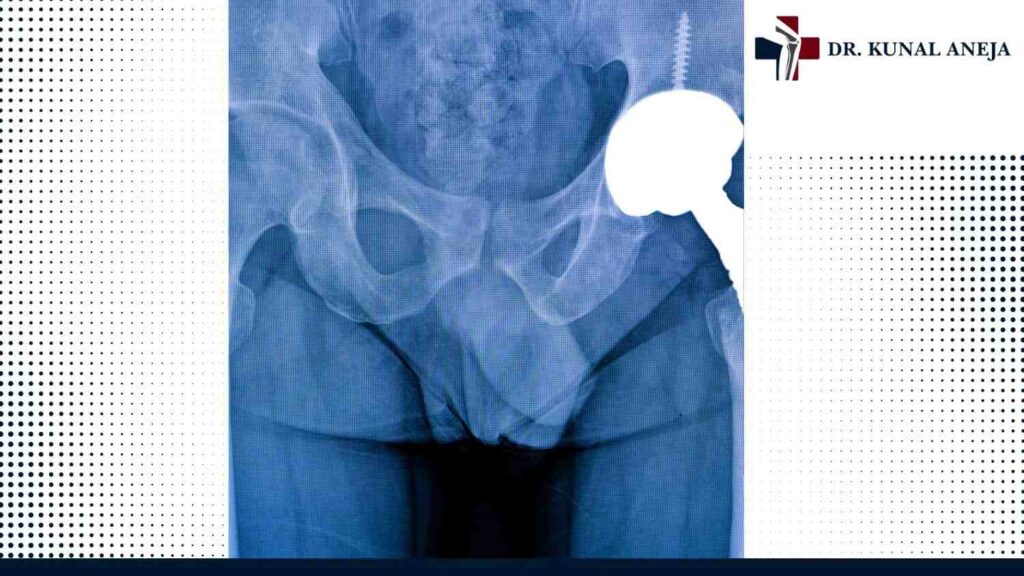
Why Hip Replacement Becomes Necessary
The hip is one of the body’s major weight-bearing joints. When cartilage wears out or the bone loses its normal structure, the joint becomes painful and stiff. Walking, climbing stairs, bending, and even sitting for long periods can become difficult.
· Advanced osteoarthritis with severe cartilage loss.
· Avascular necrosis, where the femoral head loses blood supply.
· Rheumatoid arthritis-related joint damage.
· Hip fractures that cannot be repaired reliably.
· Failed previous hip surgery or severe joint deformity.
Week One After Total Hip Replacement
The first week is usually the most demanding. Patients start walking with support within the first day or two, but swelling, bruising, stiffness, and movement-related discomfort are common. Physiotherapy begins early to prevent stiffness and improve circulation.
During this stage, patients learn how to sit, stand, turn, and sleep safely. Hip precautions are important because the muscles and soft tissues around the new joint are still healing.
Weeks Two to Four: Regaining Basic Independence
By the second to fourth week, most patients start feeling more confident. Pain becomes easier to manage, walking distance improves, and daily tasks become more comfortable. However, fatigue is still normal because the body is healing from major surgery.
Physiotherapy focuses on strengthening the hip muscles, improving gait, and reducing dependency on walking aids. Patients should not rush this phase because controlled recovery is safer than aggressive movement too early.
Weeks Five to Twelve: Building Strength and Confidence
This is when many patients begin to feel the real benefit of surgery. Walking becomes smoother, stiffness reduces, and daily movement feels more natural. Many people return to light work, longer walks, and normal home routines during this period.
The exact pace depends on age, fitness, implant type, surgical complexity, and how consistently rehabilitation is followed.
Hip Preservation: When Replacement Can Wait
Not every patient with hip pain needs replacement immediately. In younger patients or those with early-stage disease, hip preservation surgery in Delhi may be considered before joint replacement.
· Hip arthroscopy for selected labral or impingement problems.
· Osteotomy to improve joint loading in selected deformities.
· Cartilage procedures for localised damage.
· Targeted rehabilitation and activity modification in early-stage disease.
A detailed diagnosis is essential. Dr Kunal Aneja’s website also lists relevant conditions treated to help patients understand possible causes of hip pain.
When to Contact Your Surgeon During Recovery
· Increasing pain rather than gradual improvement.
· Fever, wound discharge, or unusual redness around the incision.
· Sudden calf swelling or breathlessness.
· A feeling of hip instability or sudden, severe pain.
· Persistent inability to walk despite rehabilitation support.
Why Choose Dr Kunal Aneja for Hip Replacement Recovery
Dr Kunal Aneja combines surgical planning with structured post-operative guidance. Patients are educated about what is normal, what needs attention, and how to progress safely from assisted walking to independent movement.
For location, clinic timing, and appointment details, patients can visit the official Contact Us page.
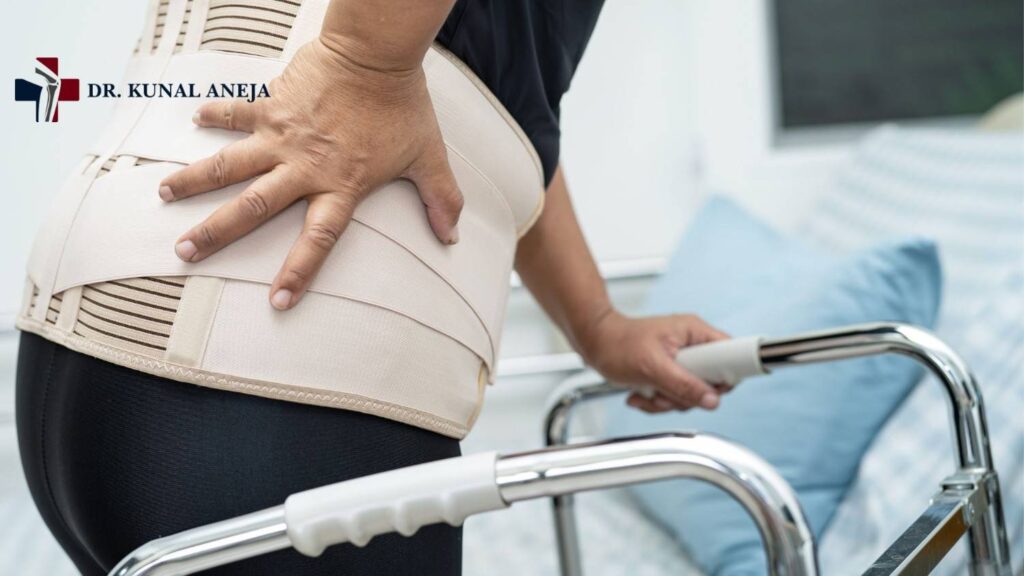
Conclusion
Hip replacement is one of the most successful orthopaedic surgeries when it is performed for the right patient and followed by proper rehabilitation. Understanding the recovery journey helps patients stay calm, realistic, and committed to each stage of healing.
CTA
Planning hip replacement or looking for a second opinion on hip pain? Book a consultation with Dr Kunal Aneja.
FAQs
How long does total hip replacement surgery take in Delhi?
The surgery usually takes around 1.5 to 2.5 hours, depending on complexity. Most patients stay in the hospital for a few days after surgery.
When can I walk after hip replacement?
Most patients begin assisted walking within 24 to 48 hours. Walking independently often takes 6 to 8 weeks, depending on strength and recovery.
How long do hip replacement implants last?
Modern implants can last 20 years or more in many patients, but longevity depends on age, activity level, implant choice, and follow-up care.
Is hip preservation possible before replacement?
In selected early-stage cases, hip preservation may delay or avoid replacement. A specialist evaluation is needed to decide suitability.