

The most common hip replacement recovery mistakes are ignoring the movement precautions your surgeon gives you, skipping or rushing physiotherapy, doing too much or too little too soon, overlooking warning signs such as calf swelling or fever, and leaving the home unprepared for safe movement. Avoiding them helps you heal more smoothly. Your surgeon’s instructions always come first, because the right advice depends on the approach used and your health.
Overview
A hip replacement is only half the story. The operation takes a couple of hours. Recovery takes weeks to months, and that is where a lot of the final result is decided. Patients who do everything right often feel the benefit sooner. Others quietly make small mistakes, such as skipping exercises when they feel fine or resting too much when they feel sore, and the recovery drags. If you want guidance for your own surgery, you can book a consultation with Dr. Kunal Aneja.
Dr. Kunal Aneja is a Senior Consultant Orthopaedic Surgeon in Delhi and the Managing Director of Naveda Healthcare Centre. His listed services include total hip replacement, partial hip replacement and revision joint replacement, and you can read about total hip replacement in Delhi and the clinic’s hip replacement surgery service. This post covers five mistakes to avoid on the way to a good recovery.
What Does a Normal Hip Replacement Recovery Involve?
In simple words
● Walking with support, often the day after surgery or soon after
● Pain control and wound care in the first weeks
● Physiotherapy to rebuild strength, balance and walking
● Gradual return to daily tasks, driving, work and gentle activity
● Follow-up visits to check the hip and the implant
Recovery is not a straight line. Some days feel great, and others feel slow, and both are normal.
Meet Dr. Kunal Aneja
Dr. Kunal Aneja is a Senior Consultant Orthopaedic Surgeon in Delhi and Managing Director of Naveda Healthcare Centre. His listed qualifications include MBBS, MS, DNB, M.Ch (Edinburgh), Dip. SICOT (Cape Town) and a Diploma in Football Medicine (FIFA), along with fellowships and memberships in national and international orthopaedic bodies. He consults at Naveda Healthcare Centre in Rohini, Max Super Specialty Hospital in Shalimar Bagh and Saroj Medical Institute in Rohini.
Professional Highlights
● Senior Consultant Orthopaedic Surgeon and Managing Director, Naveda Healthcare Centre
● Qualifications include M.Ch (Edinburgh), DNB and a Diploma in Football Medicine (FIFA)
● Services include total hip replacement, partial hip replacement and revision joint replacement
● Dedicated physiotherapy and rehabilitation guidance
Message the clinic on WhatsApp, or watch recovery tips on YouTube.
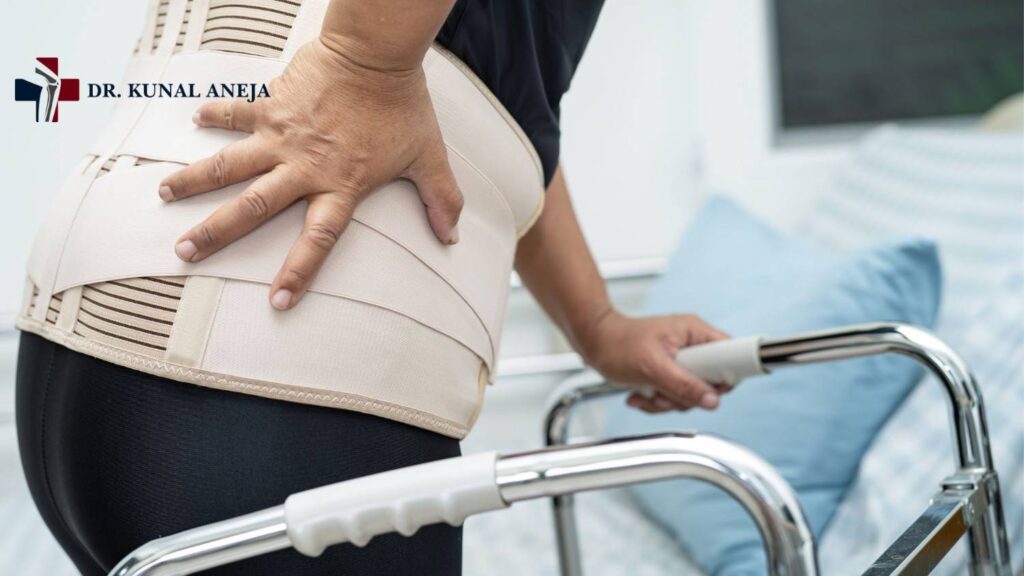
Mistake 1: Ignoring the Precautions Your Surgeon Gives You
After a hip replacement, your surgeon may advise you to avoid certain positions or movements for a period, such as bending the hip too far, crossing your legs or twisting on a planted foot. The exact rules depend on the surgical approach and your situation, so do not copy a friend’s list.
How to avoid it
● Ask your surgeon which movements to avoid and for how long
● Write the instructions down, and share them with your family
● Use a raised toilet seat and a firm, higher chair if advised
● Do not drop precautions early just because the hip feels good
Feeling fine does not mean the tissues around the hip have finished healing.
Mistake 2: Skipping or Rushing Physiotherapy
Physiotherapy is where strength and confidence come back. Some people skip sessions because the pain has eased. Others push to double the exercises in the hope of recovering faster. Both can backfire. Weak muscles lead to limping and a stiffer hip, while overdoing it can cause pain, swelling and setbacks. The clinic’s page on physiotherapy and rehabilitation and its list of patient exercises show how a plan is structured.
How to avoid it
● Attend every session your physiotherapist plans
● Do your home exercises regularly, in the amount advised
● Increase activity gradually, not in sudden jumps
● Tell your therapist honestly about pain and fatigue
Mistake 3: Doing Too Much, or Too Little, Too Soon
Rest matters, but so does movement. Staying in bed or on the sofa for long periods can cause stiffness, weakness and a higher risk of blood clots. On the other hand, carrying heavy loads, climbing stairs repeatedly or going back to sport early can strain the healing hip.
A sensible balance
● Walk short distances several times a day, and build up gradually
● Alternate activity with rest, and elevate the leg if advised
● Avoid heavy lifting, running and impact sport until your surgeon says it is safe
● Return to driving and work on your surgeon’s advice
If you want a week-by-week view of what to expect, read about recovery after knee replacement for a comparable timeline of rehabilitation habits.
Mistake 4: Overlooking Warning Signs
Most recoveries are smooth. But a few symptoms need prompt attention, and waiting can make things worse.
Contact your surgeon or seek urgent help if you notice
● Fever, chills or increasing redness, warmth or discharge at the wound
● Swelling, pain or tenderness in the calf, which can be a sign of a clot
● Sudden shortness of breath or chest pain, which needs emergency care
● A sudden increase in hip pain, a new inability to bear weight or a change in leg position
● Numbness or weakness in the leg that is new
When in doubt, call. Early advice is far better than a late complication.
Mistake 5: Leaving Your Home Unprepared
Many setbacks at home are avoidable. Falls are the biggest worry in the early weeks, because a fall can damage the new hip.
How to prepare
● Remove loose rugs, cables and clutter from walkways
● Keep essentials at waist height so you do not need to bend
● Use non-slip mats and grab bars in the bathroom
● Make sure lighting is good, especially at night
● Arrange for someone to help with meals, errands and exercises for the first few weeks
Why Choose Dr. Kunal Aneja for Hip Replacement Care?
Key advantages
● A senior consultant who plans surgery and recovery together
● Clear instructions about precautions, medicines and exercises
● Access to physiotherapy and rehabilitation guidance
● Practice at Naveda Healthcare Centre, Max Super Specialty Hospital and Saroj Medical Institute
● An option for an orthopaedic second opinion before surgery
Have questions about your recovery plan? Send a message on WhatsApp and ask the team.
Signs Your Recovery May Need Attention
● Pain that keeps rising rather than settling
● A wound that is not healing or is leaking
● Persistent limping long after the early weeks
● Swelling that does not go down with rest and elevation
● Feeling that the hip is unstable or giving way
● Difficulty progressing in physiotherapy
What Is the Recovery Journey?
- Hospital stay: Pain control, first walking steps and wound care.
- First weeks at home: Rest, precautions, short walks and early exercises.
- Physiotherapy phase: Strengthening, balance and gait training.
- Return to routine: Driving, work and daily tasks, as advised.
- Long-term care: Follow-up visits, healthy weight and appropriate activity.
What Are the Benefits of a Well-Managed Recovery?
✔ Less pain and swelling in the early weeks
✔ A stronger, more stable hip
✔ A lower risk of falls and complications
✔ Faster return to walking and daily life
✔ Confidence in the new joint
How Can You Support Your Recovery Every Day?
Small daily habits add up over weeks.
Simple guidelines
● Take medicines exactly as prescribed, and do not stop any without asking
● Eat well, with enough protein, and stay hydrated
● Sleep in a position your surgeon approves
● Keep appointments, even when you feel well
● Maintain a healthy weight to reduce load on the joint
Recovery is a team effort between you, your surgeon and your physiotherapist.
Why Do Delhi Patients Trust Dr. Kunal Aneja?
● Clear, practical explanations before and after surgery
● A recovery plan, not just an operation
● Care available in Rohini and Shalimar Bagh
● Patient education on Instagram and LinkedIn
● Easy contact through WhatsApp and phone
Conclusion
A good hip replacement recovery depends on a handful of simple things done consistently. Follow your surgeon’s precautions, commit to physiotherapy, balance rest and movement, watch for warning signs and prepare your home. Avoiding these five mistakes will not make recovery effortless, but it will give you the best chance of a smooth return to walking, working and living. If you are planning a hip replacement or have questions about your recovery, Dr. Kunal Aneja and the Naveda Healthcare team are happy to help.
Contact Dr. Kunal Aneja
Email: drkunalaneja@gmail.com
Phone: +91 98112 11503
Book your hip replacement consultation with Dr. Kunal Aneja here
FAQs
What are the most common mistakes after hip replacement?
Ignoring movement precautions, skipping or rushing physiotherapy, doing too much or too little too soon, overlooking warning signs and leaving the home unprepared for safe movement.
Why are precautions important after hip replacement?
They protect the healing tissues around the new joint. The specific rules depend on the surgical approach and your situation, so follow your surgeon’s advice.
What symptoms need urgent attention after hip replacement?
Fever, wound redness or discharge, calf swelling or pain, sudden shortness of breath, chest pain or a sudden change in hip pain or leg position.
Is physiotherapy necessary after hip replacement?
Yes. It rebuilds strength, balance and walking, and helps you return to daily life safely.
Where can I get hip replacement advice in Delhi?
You can book with Dr. Kunal Aneja at Naveda Healthcare Centre in Rohini, call +91 98112 11503 or message on WhatsApp.