
Introduction
Bone and joint problems are among the most common reasons people visit an orthopaedic doctor in Delhi. From knee pain and sports injuries to chronic arthritis, back pain, shoulder stiffness, and foot problems, orthopaedic conditions can affect people of every age group.
Many patients delay consultation because they expect the pain to settle on its own. In some cases it does, but persistent pain, swelling, stiffness, or reduced movement should not be ignored. Early diagnosis by an experienced orthopaedic doctor in Delhi can help prevent complications, reduce recovery time, and improve long-term mobility.
This guide explains the common bone and joint problems treated by orthopaedic specialists and when you should consider booking an appointment with Dr Kunal Aneja.
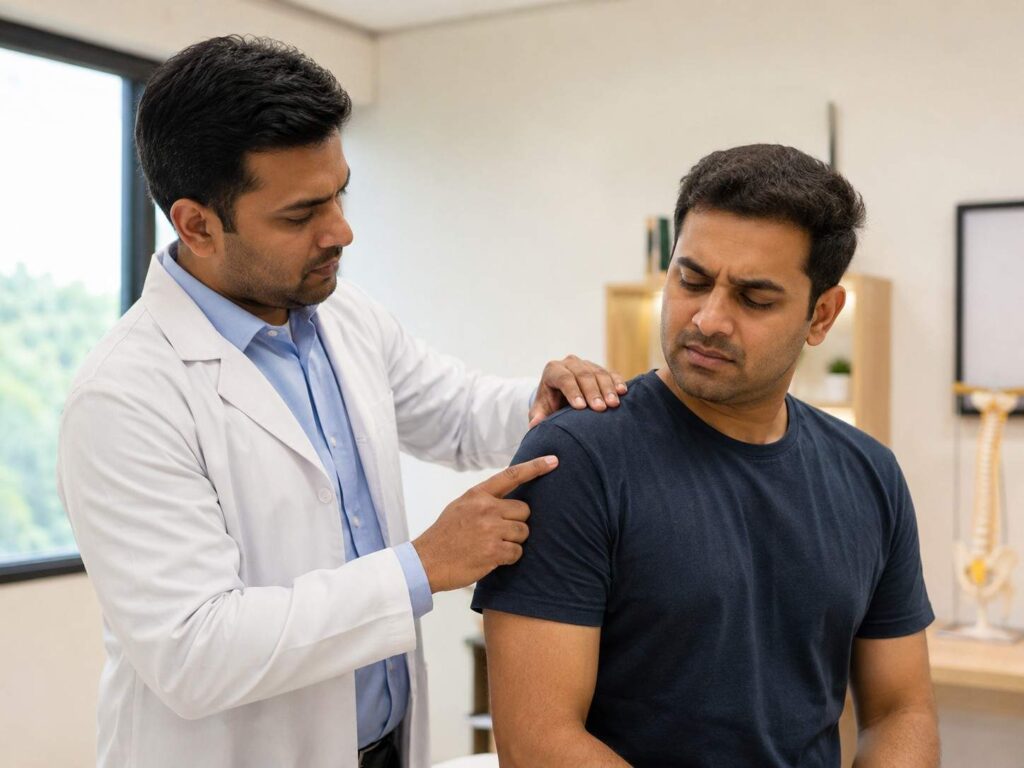
Why Early Orthopaedic Diagnosis Matters
Orthopaedic problems often begin with mild discomfort. A small knee injury, occasional back pain, or shoulder stiffness may seem manageable at first. However, untreated joint and bone conditions can gradually worsen and start affecting daily activities such as walking, climbing stairs, exercising, sleeping, or working.
Early consultation helps identify whether the problem is related to arthritis, ligament injury, cartilage damage, muscle imbalance, nerve compression, fracture, or inflammation. Once the cause is clear, treatment can be planned correctly instead of relying only on painkillers or home remedies.
Knee Problems Treated by Orthopaedic Doctors
The knee is one of the most commonly affected joints. Patients often visit an orthopaedic surgeon in Delhi for knee arthritis, osteoarthritis, ligament injuries, meniscus tears, cartilage damage, patellar instability, and sports-related knee injuries.
In early stages, many knee conditions can be managed with physiotherapy, lifestyle correction, medication, bracing, and image-guided injections. When joint damage is advanced, procedures such as knee arthroscopy, ligament reconstruction, robotic knee replacement, or total knee replacement may be advised after proper evaluation.
Hip Conditions and Mobility Issues
Hip pain is often misunderstood as general weakness, muscle strain, or ageing. Common hip conditions include hip arthritis, avascular necrosis of the femoral head, labral tears, femoroacetabular impingement, and sports injuries around the hip joint.
If hip pain affects walking, sitting, standing, or climbing stairs, it should be checked by a specialist. Early diagnosis may help preserve the joint. In advanced cases, hip replacement surgery can help restore pain-free movement and improve quality of life.
Shoulder Disorders and Stiffness
Shoulder problems are common in office workers, athletes, diabetic patients, and people who perform repeated overhead movements. Orthopaedic doctors treat frozen shoulder, rotator cuff tears, shoulder instability, recurrent dislocation, SLAP lesions, bursitis, impingement, and shoulder arthritis.
Many shoulder disorders respond well to physiotherapy and injections. When structural damage is present, shoulder arthroscopy allows minimally invasive treatment through small keyhole incisions, helping reduce recovery time.
Spine Conditions and Back Pain
Back and neck pain are among the leading causes of disability in urban lifestyles. Long sitting hours, poor posture, lack of exercise, and age-related degeneration can contribute to spine problems.
Common spine conditions include slip disc, cervical spondylosis, lumbar spondylosis, sciatica, canal stenosis, spondylolisthesis, ankylosing spondylitis, and spinal deformities. Most spine conditions do not require surgery if diagnosed early. Medication, physiotherapy, posture correction, and lifestyle changes can significantly improve symptoms.
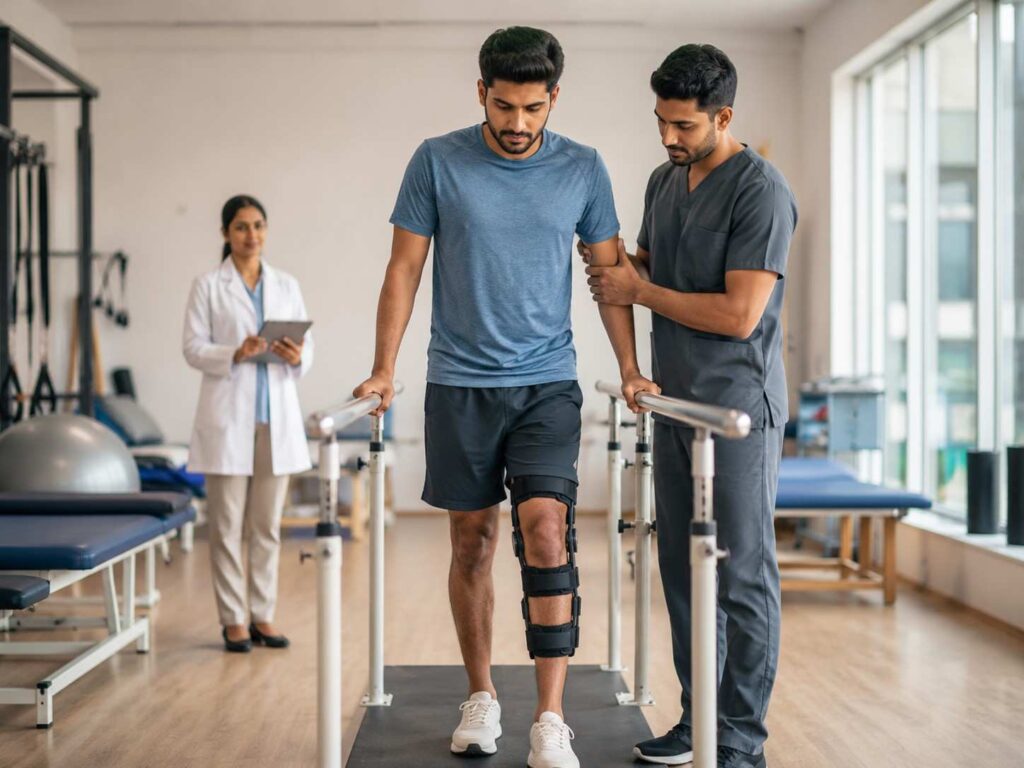
Sports Injuries and Joint Preservation
Sports injuries are not limited to professional athletes. Gym-goers, runners, weekend players, and people injured during routine activities may develop ligament tears, tendon injuries, muscle strains, fractures, dislocations, cartilage damage, or overuse injuries.
A sports injury specialist in Delhi can help patients return to activity safely. Treatment may include rehabilitation, joint preservation techniques, arthroscopy, ligament reconstruction, or other advanced procedures depending on the injury severity.
Foot and Ankle Problems
Foot and ankle pain can make even simple walking difficult. Orthopaedic care may be required for flat feet, high-arched feet, plantar fasciitis, bunions, hammer toes, ankle sprains, tendon injuries, and foot or ankle arthritis.
Ignoring foot pain can disturb body balance and place extra strain on the knees, hips, and spine. A proper diagnosis helps identify whether the problem needs footwear correction, physiotherapy, medication, injections, or surgical treatment.
Inflammatory and Autoimmune Joint Diseases
Conditions such as rheumatoid arthritis and ankylosing spondylitis can cause progressive joint damage if not managed properly. These conditions often need coordinated care between an orthopaedic doctor and a rheumatology specialist.
The goal is to reduce pain, preserve joint function, prevent deformity, and maintain long-term mobility. Patients with repeated swelling, morning stiffness, or multiple painful joints should not delay consultation.
When Should You See an Orthopaedic Doctor in Delhi?
You should consult an orthopaedic doctor in Delhi if joint pain lasts more than a few weeks, swelling does not settle, movement becomes restricted, pain disturbs sleep, an injury has not healed properly, or daily activities become difficult.
Warning signs include difficulty walking, climbing stairs, lifting the arm, bending the knee, standing for long periods, or returning to sports after injury. Earlier treatment usually gives better outcomes.
How Dr Kunal Aneja Can Help
Dr Kunal Aneja is a senior orthopaedic surgeon in Delhi with expertise in joint replacement, sports medicine, joint preservation, complex trauma, robotic joint replacement, and arthroscopic keyhole surgery.
He treats a wide range of bone and joint problems using both surgical and non-surgical methods. His practice is available at Naveda Healthcare Centre in Rohini, Max Super Speciality Hospital in Shalimar Bagh, and Saroj Medical Institute in Rohini.
Patients looking for a trusted orthopaedic doctor in Delhi can consult Dr Kunal Aneja for knee, hip, shoulder, spine, sports injury, foot, ankle, and arthritis-related conditions.
Conclusion
Bone and joint problems are common, but they should not be ignored. With the right diagnosis and treatment plan, most orthopaedic conditions can be managed effectively. Whether you are dealing with chronic arthritis, a sports injury, back pain, shoulder stiffness, or difficulty walking, consulting a qualified orthopaedic doctor in Delhi is the right first step.
Book an appointment with Dr Kunal Aneja for expert orthopaedic diagnosis and advanced bone and joint care in Delhi.
FAQs
What is the most common bone and joint problem in Delhi?
Knee osteoarthritis and lower back pain are among the most common orthopaedic problems, especially among adults over 40 and people with sedentary lifestyles.
Can orthopaedic conditions be treated without surgery?
Yes. Many orthopaedic conditions can be treated with physiotherapy, medication, lifestyle changes, bracing, and injections. Surgery is considered only when conservative treatment is not enough.
When should I visit an orthopaedic doctor?
You should visit an orthopaedic doctor if pain, swelling, stiffness, injury-related discomfort, or difficulty moving lasts more than a few weeks.
How do I book an appointment with Dr Kunal Aneja?
You can call (+91) 98112 11503 or book online through drkunalaneja.com. Telemedicine consultations are also available.