
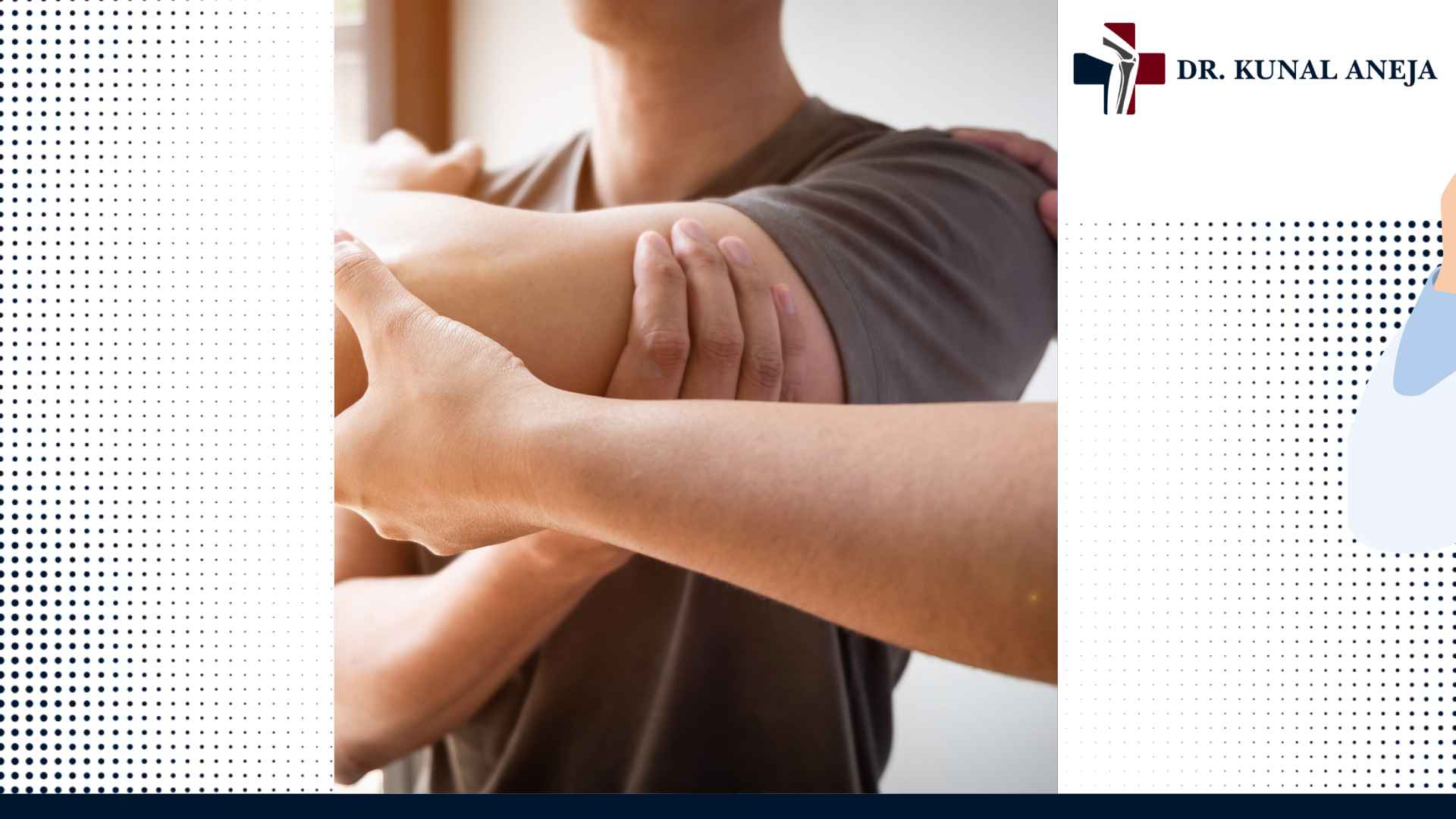
Many rotator cuff tears can be managed without surgery, especially partial tears, tears that came on gradually and tears in people who can still lift their arm reasonably well. Treatment usually includes activity changes, physiotherapy and sometimes pain-relief options. Surgery is usually considered for sudden tears with a clear loss of strength, or when non-surgical care doesn’t help. An orthopaedic doctor, with a proper examination and imaging, can say which route suits you. You can book an appointment here.
Overview
“Your rotator cuff is torn.” For a lot of people, that sentence is where the panic begins. It sounds like something that needs operating on straight away, a long sling, months off work. Your mind jumps to your cricket, your gym, your job, even the simple business of lifting a bag from the overhead rack.
Here’s what’s easy to miss in the middle of the worry: a torn rotator cuff doesn’t automatically mean surgery. Plenty of tears can be managed without it, and some people even have tears on scans without ever feeling any pain. The real question isn’t “Is it torn?” It’s “What kind of tear is it, how is it affecting you and what do you need to do next?”
This guide explains what the rotator cuff is, how tears happen, which signs to watch for, when non-surgical treatment works, what it involves, when surgery is considered and what recovery looks like. Dr. Kunal Aneja lists rotator cuff tears among the conditions he treats and offers shoulder arthroscopy for repairs where needed. This is general information, and decisions should always follow an examination.
What Is the Rotator Cuff?
In plain words
● A group of four muscles and their tendons around the shoulder joint
● They hold the ball of the shoulder in its socket and help lift and rotate the arm
● A tear means one or more of those tendons has frayed or separated from the bone
● Tears can be partial (not all the way through) or full thickness (through the tendon)
● Some come from sudden injury, many from slow wear over years
Think of the rotator cuff as the shoulder’s stabiliser. When it’s compromised, lifting and reaching start to hurt or fail.
Meet Dr. Kunal Aneja
Dr. Kunal Aneja is a Senior Consultant Orthopaedic Surgeon and Managing Director of Naveda Healthcare Centre, Delhi, with interests in joint replacement, sports medicine, joint preservation and complex trauma. His listed qualifications include MBBS, MS, DNB, M.Ch (Edinburgh) and a Diploma in Football Medicine (FIFA). He consults at Naveda Healthcare Centre, Max Super Specialty Hospital, Shalimar Bagh and Saroj Medical Institute, Rohini.
Professional Highlights
● Rotator cuff tears, SLAP lesions, impingement and instability are listed among shoulder conditions treated
● Rotator cuff repair and shoulder arthroscopy are among the treatments offered
● Sports medicine background
● Clinic at 57 & 61, Pocket D-15, Sector-7, Rohini, Delhi
Have a scan report and want a view? WhatsApp your question and reports to the clinic.
Signs of a Rotator Cuff Tear
Symptoms differ depending on how big the tear is and how it happened. Common ones include:
● A dull ache deep in the shoulder, often worse at night or when lying on that side
● Pain when lifting your arm, reaching overhead or reaching behind you
● Weakness, such as difficulty lifting a kettle, a bag or a bucket
● A clicking, catching or grating feeling when you move the shoulder
● Difficulty combing your hair or putting on a shirt
● A sudden “pop” with immediate pain and weakness after a fall or heavy lift
Some people with tears have little pain but notice they can’t lift the arm as they used to. Others have a lot of pain with only a small problem. It doesn’t always match the size of the tear.
Get checked soon if
● Your arm suddenly won’t lift after a fall or heavy lift
● Weakness is getting worse
● The pain keeps waking you at night
● You’ve had weeks of shoulder pain that isn’t improving
● You also have numbness, swelling or a deformity
How Do Rotator Cuff Tears Happen?
Sudden (Acute) Tears
A fall onto an outstretched arm, a heavy lift or a sudden jerk, like grabbing something as it falls. These are more common in younger people and sportspeople.
Gradual (Degenerative) Tears
Years of wear, repetitive overhead work and age-related changes in the tendon. These become more common after 40 or 50 and can develop without any single moment of injury. Painters, carpenters, swimmers, badminton and cricket players and desk workers with poor posture can all be affected.
Other Contributing Factors
● Previous shoulder injury
● Shoulder impingement, where tendons rub under the bone
● Smoking and poor blood supply to the tendon
● Family history
Can a Rotator Cuff Tear Heal Without Surgery?
Let’s be precise here. Non-surgical treatment can often reduce pain and improve function, and many people do well with it. But a torn tendon doesn’t always grow back and “heal” in the way a cut on your skin does. The aim of non-surgical treatment is usually to calm the shoulder, restore movement and strengthen the muscles around it so the shoulder works well, even if a tear remains.
Orthopaedic centres often note that most tears can be managed non-operatively, with the main exception being a sudden tear with an abrupt loss of strength. Partial tears and larger gradual tears are often good candidates for a trial of non-surgical care. Your doctor will decide based on your tear, your age, your job, your sport and your goals.
Non-surgical care is often considered when
● The tear is partial
● The tear developed gradually over time
● You can still lift your arm with reasonable strength
● Pain is manageable
● You don’t do heavy overhead work or sport at a high level
● You’d like to avoid surgery if possible
● You have health conditions that make surgery riskier
Surgery may be considered when
● A sudden tear causes clear loss of strength
● You’re young, active or do physical overhead work, and the tear is significant
● Weakness or pain persists despite proper non-surgical care
● The tear is getting larger
● Imaging shows a pattern doctors want to repair early
The right answer depends on you. Two people with similar-looking scans can need completely different plans.
Rotator Cuff Tear Treatment Without Surgery: Your Options
1. Relative Rest and Activity Changes
This doesn’t mean immobilising the shoulder for weeks. It means avoiding the movements that provoke pain, such as heavy overhead lifting, while staying gently active. Total rest can make the shoulder stiff, so don’t hang up the arm in a sling unless advised.
2. Physiotherapy
This is the backbone of non-surgical care. A therapist usually begins with gentle movement to restore range of motion, then adds strengthening for the cuff and the muscles around the shoulder blade once pain settles. Posture and technique corrections matter too. Dr. Kunal Aneja’s site has a physiotherapy and rehabilitation section and an exercises information page, but exercises should be tailored to your tear.
3. Pain Relief
Doctors may suggest short-term anti-inflammatory pain relief, along with ice or heat. Long-term use isn’t advised without medical supervision.
4. Injections
In some cases, a doctor may discuss an injection to help settle pain, so you can work on rehab. Repeated injections aren’t a good idea, since some injections can weaken tendons if overused. This is a decision to make with your doctor, not a quick fix.
5. Posture, Ergonomics and Lifestyle
A slouched desk posture, a poorly placed monitor or an awkward sleeping position can keep irritating the shoulder. See the clinic’s page on ergonomics. Stopping smoking and managing blood sugar also help tendons heal.
Give non-surgical treatment a fair, guided trial, often several weeks to a few months, and review it with your doctor, so you’re not stuck in a plan that isn’t working.
What to Avoid
● Ignoring a sudden loss of strength after an injury, which needs prompt assessment
● Pushing through sharp pain with heavy weights or overhead exercises
● Doing random resistance-band routines without guidance, which can overload the tendons
● Long-term painkiller use without advice
● Repeated self-arranged injections
● Waiting for months while the shoulder gets weaker
When Surgery Is Considered
If non-surgical care hasn’t helped, or if the tear is the kind that usually needs repair, surgery may be discussed. Dr. Kunal Aneja’s treatments list includes rotator cuff repair under shoulder arthroscopy, a keyhole approach. In simple terms, the surgeon uses small cuts, a camera and fine instruments to reattach the tendon to the bone. Our guide to shoulder arthroscopy in Delhi explains who it suits and what to expect.
Other decisions worth discussing with your surgeon include:
● Whether your tear can be repaired or only cleaned up
● Your age, activity level and job
● How the tendon quality looks on imaging
● The rehab commitment after surgery
● Risks and alternatives
Rotator Cuff Surgery Recovery: What to Expect
Recovery after repair is a long road, and rehab is as important as the surgery itself. A general picture, which your surgeon and physio will tailor:
Typical phases
● First weeks: The arm is protected, often in a sling, while the tendon starts to heal. Pain is managed and gentle movements may begin as advised
● Next few weeks: Assisted movement and gradual return of range, guided by the physio
● Months two to four: Strengthening starts when the tendon is ready
● Beyond: Return to heavier work and sport in stages, often taking several months
Rushing back to lifting or sport is the classic way to undo a repair. Follow your surgeon’s timeline, even when the shoulder feels fine. Some orthopaedic centres note that repair needs prolonged protection and can keep people out of work and daily activities for months, which is one reason a non-surgical trial is often offered first for suitable tears.
Is a Tear on the MRI Always a Problem?
Not necessarily. Imaging can show tears in people who have no symptoms at all, especially as we age. That’s why doctors treat the person, not the scan. If your scan shows a tear but your shoulder works fine, you may not need any specific treatment other than staying active and sensible. And if your shoulder hurts and your scan looks mild, it doesn’t mean the pain isn’t real. This is where an expert second look can help. The clinic’s orthopaedic second opinion service is made for this situation, and our post on getting an orthopaedic second opinion online explains why it matters before major surgery.
Rotator Cuff Tear or Something Else?
Shoulder pain has many causes, so it’s worth getting the right label.
● Frozen shoulder: Stiffness is the main problem, and even assisted movement is limited
● Impingement or bursitis: Pain when lifting the arm, often with a painful arc
● Dislocation or instability: A shoulder that feels like it slips. See our guide to shoulder dislocation treatment
● Neck problems: Pain or tingling spreading from the neck into the arm
● Referred pain: Sometimes heart or other conditions can show up as shoulder pain, especially with chest discomfort or breathlessness, which needs urgent attention
If your pain started when reaching overhead, read why reaching overhead suddenly hurts the shoulder.
Why Choose Dr. Kunal Aneja for Rotator Cuff Problems?
Key advantages
● An orthopaedic surgeon with sports medicine and joint preservation interests
● Both non-surgical and surgical options, with a considered plan
● Honest guidance on whether surgery is actually needed
● Online consultation and second opinion services
● Clinic in Rohini with hospital consultations at Max Super Specialty Hospital, Shalimar Bagh and Saroj Medical Institute
Learn more about Dr. Kunal Aneja, or book an appointment.
What Are the Benefits of a Proper Assessment?
✔ Know whether your tear is partial or full thickness
✔ A plan that matches your age, work and goals
✔ Avoid unnecessary surgery, and avoid delaying it when needed
✔ Safer, guided rehabilitation
✔ Clarity about what your scan really means
Staying Informed
For general bone and joint tips, follow the clinic on Instagram, Facebook and YouTube. Results vary, and no outcome can be guaranteed.
Why Do Delhi Patients Choose Dr. Kunal Aneja?
● Bone and joint expertise across shoulder, knee and hip
● Straightforward advice on surgical and non-surgical choices
● Easy contact via phone, WhatsApp or the contact page
● Updates on Instagram
● Convenient Rohini location
Conclusion
A rotator cuff tear isn’t a surgery sentence. Many can be managed with the right mix of activity changes, guided physiotherapy and time, while others do need repair, and the difference lies in the type of tear, your symptoms and your goals. Get a proper examination, don’t treat the scan alone, and be wary of both rushing into surgery and ignoring a tear that’s getting worse. If you’re unsure, Dr. Kunal Aneja’s clinic can help you work out the next step.
Contact Dr. Kunal Aneja
Email: drkunalaneja@gmail.com
Phone: +91 98112 11503, +91 98112 16622
WhatsApp: Message the clinic
Follow on: Instagram | Facebook | YouTube
Book your shoulder consultation with Dr. Kunal Aneja here
FAQs
Can a rotator cuff tear heal without surgery?
The tendon may not fully re-attach on its own, but many people regain good function and less pain with non-surgical care. Partial and gradual tears are often managed this way, after a doctor’s assessment.
What are the symptoms of a rotator cuff tear?
Shoulder pain, night pain, weakness lifting the arm, difficulty reaching overhead or behind the back, and sometimes clicking or a sudden pop after an injury.
How long does non-surgical treatment take?
Often several weeks to a few months of guided rehab, then a review. The time varies by tear and person.
When is rotator cuff surgery needed?
Usually for sudden tears with clear loss of strength, significant tears in active or young patients, or when non-surgical care hasn’t helped. A surgeon decides after examination.
How long is recovery after rotator cuff repair?
It’s usually a matter of months, with an initial protection phase, then gradual motion and strengthening. Your surgeon will give you a timeline.
Is a tear on my MRI always a problem?
No. Some people have tears without symptoms. Doctors treat your symptoms and function, not only the scan. You can contact the clinic to discuss your report.