
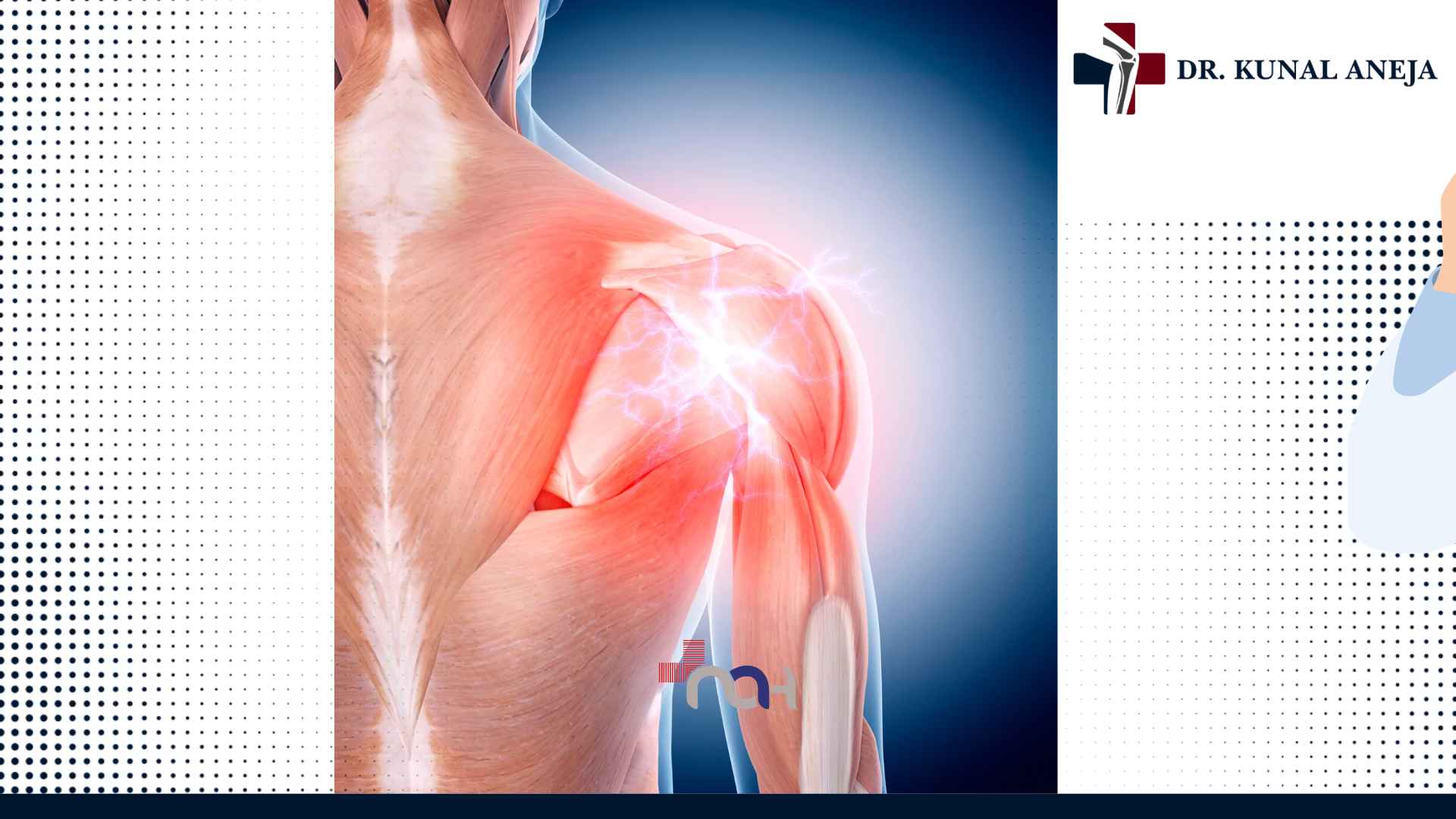
Shoulder arthroscopy is a keyhole procedure in which a surgeon uses a small camera and fine instruments through tiny cuts to diagnose and treat problems inside the shoulder, such as rotator cuff tears, labral tears, impingement or recurrent dislocations. It is usually considered when rest, physiotherapy and medicines have not helped, or when the injury is one that needs repair. Whether it is right for you depends on the diagnosis, your age, your activity level and your goals.
Overview
Shoulder pain has a way of creeping into everything. You wince reaching for a shelf, you cannot sleep on that side, and the gym, the badminton court or even brushing your hair becomes a negotiation. Many people hear the words “shoulder arthroscopy” and immediately picture a big operation. Others expect it to solve every shoulder problem. The truth sits somewhere in the middle. It is a very useful tool for certain conditions, and the wrong choice for others. If you want a clear opinion on your shoulder, you can book a consultation with Dr. Kunal Aneja.
Dr. Kunal Aneja is a Senior Consultant Orthopaedic Surgeon in Delhi and the Managing Director of Naveda Healthcare Centre. His listed services include knee and shoulder arthroscopies, sports injury management and joint replacement, and you can see the clinic’s overview of shoulder arthroscopy in Delhi on the main site. This post helps you decide whether the keyhole route is likely to suit your shoulder.
What Is Shoulder Arthroscopy?
In simple words
● A minimally invasive surgery done through a few small cuts
● A tiny camera shows the inside of the joint on a screen
● Fine instruments are used to repair, trim or clean the damaged tissue
● It is used both to diagnose problems and to treat them
Shoulder arthroscopy lets a surgeon see and treat the joint without opening it widely.
Meet Dr. Kunal Aneja
Dr. Kunal Aneja is a Senior Consultant Orthopaedic Surgeon in Delhi and Managing Director of Naveda Healthcare Centre. His listed qualifications include MBBS, MS, DNB, M.Ch (Edinburgh), Dip. SICOT (Cape Town) and a Diploma in Football Medicine (FIFA), along with fellowships and memberships in national and international orthopaedic bodies. He consults at Naveda Healthcare Centre in Rohini, Max Super Specialty Hospital in Shalimar Bagh and Saroj Medical Institute in Rohini.
Professional Highlights
● Senior Consultant Orthopaedic Surgeon and Managing Director, Naveda Healthcare Centre
● Qualifications include M.Ch (Edinburgh), DNB and a Diploma in Football Medicine (FIFA)
● Shoulder arthroscopy services include rotator cuff repair, SLAP repair, Bankart repair and impingement treatment
● Sports injury management and joint replacement services
Message the clinic on WhatsApp, or watch shoulder health videos on YouTube.
Which Shoulder Problems Can Arthroscopy Treat?
1. Rotator Cuff Tears
The rotator cuff is a group of tendons that keeps the shoulder steady and lets you lift your arm. Tears can come from injury or gradual wear. Some partial tears settle with physiotherapy, while others, especially in active people or full tears, may need repair.
2. Shoulder Impingement
Here the tendons get pinched under a bony arch when you raise your arm. It causes pain with overhead movement. Many cases improve with exercise and medicines, and surgery is considered when they do not.
3. Labral Tears, Including SLAP Tears
The labrum is a rim of cartilage that deepens the socket. Tears can cause pain, catching or a feeling of instability, especially in throwers and overhead athletes.
4. Recurrent Dislocations and Instability
When the shoulder keeps popping out, repair of the torn ligaments and labrum, such as a Bankart repair, may be recommended. Our overview of sports injuries covers how shoulder injuries are assessed.
5. Frozen Shoulder That Does Not Settle
Most frozen shoulders improve with time and physiotherapy. A procedure to release tight tissue is considered only if progress stalls.
6. Loose Fragments and Inflamed Tissue
Sometimes the joint lining is inflamed or there are bits of damaged tissue that need to be cleaned out.
The diagnosis, not the technology, decides whether arthroscopy is the answer.
When Is Non-Surgical Treatment Enough?
Many shoulders get better without an operation. Treatment usually starts with simple steps.
Non-surgical options may include
● Rest from aggravating activities, not complete immobility
● Physiotherapy to strengthen the rotator cuff and shoulder blade muscles
● Anti-inflammatory medicines, as advised by your doctor
● Injections, where suitable, to calm inflammation
● Posture and ergonomics changes. The clinic’s page on patient information and ergonomics is a useful starting point
A reasonable trial of these steps is often tried first, unless the injury is acute and needs early repair. Surgery may be discussed if pain, weakness or instability continues, or if imaging shows a tear that is unlikely to heal alone.
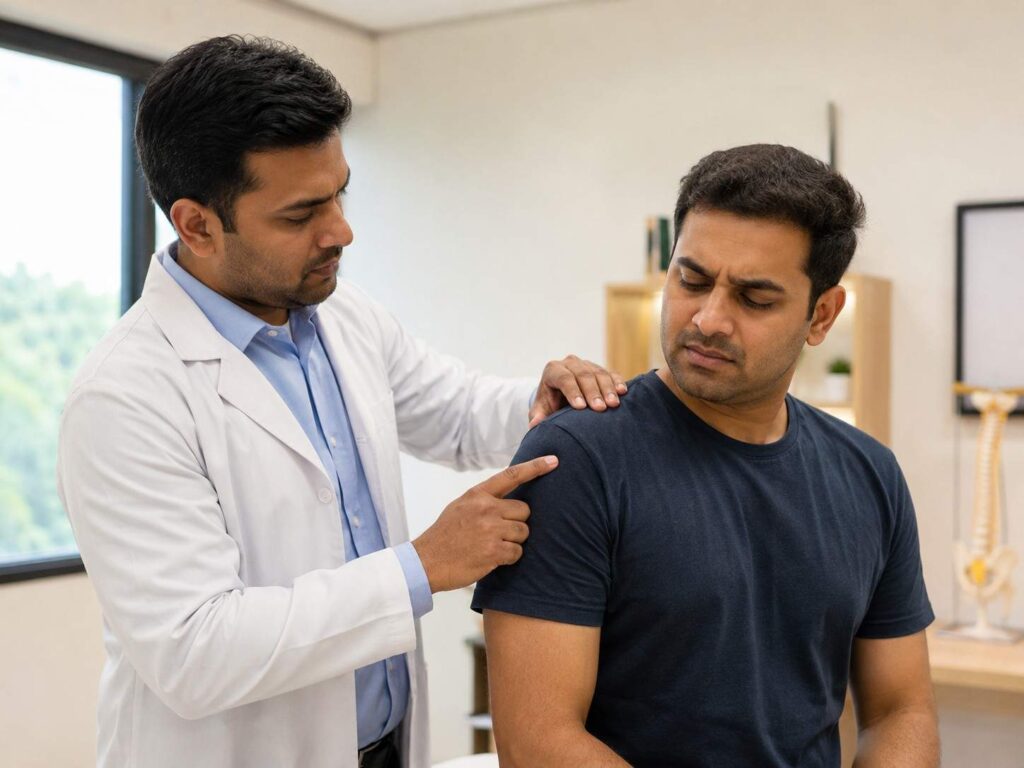
Who Is a Good Candidate for Shoulder Arthroscopy?
A good candidate usually
● Has a clear diagnosis on examination and imaging
● Has not improved with a fair trial of non-surgical care, or has an injury that needs repair
● Is medically fit for a short procedure and anaesthesia
● Understands that rehabilitation is a major part of success
● Has realistic expectations about the recovery timeline
It may not be the right choice if
● The main problem is advanced shoulder arthritis, which may need other solutions
● The pain actually comes from the neck or elsewhere
● You are not able to commit to the rehabilitation that follows
Why Choose Dr. Kunal Aneja for Shoulder Care?
Key advantages
● A surgeon with a sports injury and arthroscopy background
● Honest advice on whether you need surgery at all
● A full range of options, from physiotherapy to repair and replacement
● Practice across Rohini and Shalimar Bagh
● An option for an orthopaedic second opinion before you decide
Not sure whether you need surgery? Share your scan reports on WhatsApp and ask for guidance.
Signs Your Shoulder Needs a Proper Check
● Pain when lifting your arm or reaching overhead
● Night pain that disturbs sleep
● Weakness, or difficulty holding objects at shoulder height
● A feeling that the shoulder slips or pops out
● Clicking or catching with movement
● Pain that has lasted more than a few weeks despite rest
What Is the Shoulder Arthroscopy Journey?
- Consultation: Your symptoms, activities and goals are discussed.
- Examination and imaging: The shoulder is tested, and X-rays or MRI are reviewed.
- Plan: Non-surgical and surgical options are explained.
- Procedure: If surgery is needed, it is done through small cuts under anaesthesia.
- Rehabilitation: Guided physiotherapy helps you regain movement and strength.
What Are the Benefits of Keyhole Shoulder Surgery?
✔ Smaller cuts than open surgery
✔ A clear view of the joint, so the surgeon can treat what is actually wrong
✔ Typically less pain from the incisions than an open approach
✔ Repair of tears and instability when needed
✔ A structured path back to daily life and sport
What Should Recovery Look Like?
Recovery depends on what was done. Simple procedures may allow earlier movement, while repairs of the rotator cuff or labrum need a period of protection, often in a sling, so that the tissue can heal. Physiotherapy follows in stages, from gentle movement to strengthening. Returning to heavy lifting or sport takes longer and is guided by how the shoulder responds. The clinic’s section on physiotherapy and rehabilitation outlines the recovery approach.
Simple guidelines
● Follow your surgeon’s instructions on the sling and movement
● Attend physiotherapy sessions and do exercises at home
● Avoid lifting or reaching beyond what you are allowed
● Sleep slightly propped up if advised, to stay comfortable
● Report fever, severe pain or wound problems promptly
A repaired shoulder needs time. Skipping rehab is the quickest way to undo a good operation.
Why Do Delhi Patients Trust Dr. Kunal Aneja?
● Clear explanations of what is wrong and what can be done
● Advice that includes non-surgical options first when suitable
● Care available in Rohini and Shalimar Bagh
● Health education shared on Instagram and LinkedIn
● Convenient contact through WhatsApp and phone
Conclusion
Shoulder arthroscopy is a valuable keyhole option for problems such as rotator cuff tears, labral injuries and recurrent dislocations, but it is not the first step for every painful shoulder. The right path starts with an accurate diagnosis, a fair trial of non-surgical care where suitable and an honest talk about expectations and rehabilitation. If your shoulder pain is holding you back and you want to know whether keyhole surgery fits, Dr. Kunal Aneja and the Naveda Healthcare team can guide you.
Contact Dr. Kunal Aneja
Email: drkunalaneja@gmail.com
Phone: +91 98112 11503
Book your shoulder consultation with Dr. Kunal Aneja here
FAQs
What is shoulder arthroscopy?
It is a keyhole procedure in which a camera and fine instruments are used through small cuts to diagnose and treat problems inside the shoulder joint.
What conditions can shoulder arthroscopy treat?
Common examples include rotator cuff tears, impingement, labral tears, recurrent dislocations and, in selected cases, frozen shoulder that does not settle.
Do all shoulder problems need surgery?
No. Many improve with rest, physiotherapy, medicines and sometimes injections. Surgery is considered when these do not help or when an injury needs repair.
How long does recovery take after shoulder arthroscopy?
It depends on the procedure. Repairs need protection and staged physiotherapy, and return to heavy activity takes longer than return to daily tasks.
Where can I get a shoulder consultation in Delhi?
You can book with Dr. Kunal Aneja at Naveda Healthcare Centre in Rohini, call +91 98112 11503 or message on WhatsApp.